Humanities (Geography / History)
Humanities is a fundamental subject as it helps individuals become familiar with the environment and the world they are a part of as well as establishing how the world has evolved to what we know today.
Intent, Implementation and Impact
Intent
At Applebee Wood we seek to:
- Stimulate pupils’ interests in their surroundings and in a variety of physical and human conditions of the earth’s surface.
- Foster pupils’ sense of wonder at the beauty of the world around them.
- Enhance pupils’ sense of responsibility to the world and its people around them.
Implementation
We aim to make Geography an enjoyable learning experience by:
- Studying a range of people, places and environments.
- Researching the location of places and environments.
- Studying Human and Physical geography processes.
- Appreciating different scales – from personal and local to national and global.
- Studying how economic, social and environmental factors affect issues.
- Carrying out geographical inquiry- skills to plan the investigation, to collect, record, display and analyse the information.
- Using a range of resources, including maps, atlases, photographs, satellite images, text and ICT.
- In EYFS, Key Stages 1 and 2, Geography is taught alongside History in a topic based format. Pupils will complete a Geography topic in one half term and then a History topic the next half term.
- In Key Stage 3, year 7 and 8 pupils have one 50 minute session a week which alternates between Geography / History each half term. Year 9 follow an accredited curriculum (AQA awards) and are taught History twice a week.
- In KS4, Geography ASDAN Award for the formal class ( and finished by the end of year 10) whilst the semi-formal class follow the AQA Unit Awards.
Impact
To ensure that pupils have a wide knowledge of the world around them, and to have skills that will support them in the future lives.
Intent
We aim to make History an enjoyable learning experience. At Applebee Wood we teach British History, European and World History. The following concepts underpin our study of History:
- Chronological understanding – using dates that describe historical periods and analysing the characteristic features of periods and societies.
- Cultural, ethnic and religious diversity – understanding the experiences and ideas in past societies.
- Change and continuity – within and across periods of history.
- Cause and consequence – analysing and explaining historical events.
- Significance – considering the significance of historical events in the past and present day.
- Interpretation – understanding how people form interpretations of historical events.
Implementation
The following skills and processes are needed to enable our pupils to learn and make progress in History:
- Historical inquiry – identify and investigate historical issues and reflect critically on historical questions or issues; devising their own questions to structure an investigation.
- Using evidence – identify, select and use a range of historical sources, and evaluate the reliability and value of those sources, to reach reasoned conclusions.
- Communicating about the past – present historical accounts using chronological conventions and historical vocabulary. Communicate their knowledge and understanding of historical events – developing writing, speaking and listening skills as they recall, select, classify and organise historical information.
- In EYFS, Key Stages 1 and 2, History is taught alongside Geography in a Topic based format. Pupils will complete a History topic in one half term and then Geography a topic the next half term.
- In Key Stage 3, year 7 and Year 8 pupils have one alternate 50 minute History/ Geography lesson each week on an alternate basis between the two subjects. In Year 9 the pupils are studying for the History AQA units and have 2 50 minutes lessons a week.
Impact
For pupils to have a varied and stimulating curriculum, and to develop an understanding of the world around them based on previous events.
Humanities and Links to Other Subjects
Literacy
- Using a wide range of different kinds of texts from various religious, historical and geographical sources.
- Focus on both speaking and listening and reading and writing to develop pupils’ literacy skills.
- Having written methods to record knowledge.
Numeracy
- Temperature.
- Collecting data and recording data.
- Tally charts and graphs.
- Using measures.
ICT
- Use of the internet to investigate, analyse and evaluate different aspects and issues.
- Use digital cameras and video to bring authentic images into the classroom to support discussion.
- Use presentation software to communicate a personal response to a discussion.
- Record and write reports and power-points to show knowledge and understanding.
- Produce graphs and charts.
- Google maps.
Science
- Pupils will explore geological phenomenon and consider the impact of our choices with regards to energy resources.
- Pupils will investigate how our scientific understanding has developed over time and learn about key individuals who have moved our understanding forwards.
Citizenship
- Developing pupils’ knowledge and understanding about the diversity of identities in the UK and the need for mutual respect.
- Encourage understanding of the origins of ethnic and cultural diversity.
- Enabling pupils to think about topical issues including the importance of resolving conflict fairly.
- Exploring the rights, responsibilities and duties of citizens locally, nationally and globally.
- Enabling pupils to justify and defend orally, and in writing, personal opinions about issues, problems and events.
Personal, Social and Health Education
- Developing confidence and responsibility.
- Learning about right and wrong, and what is fair and unfair.
- Developing a healthy, safer lifestyle by learning about religious teachings on drug use and misuse, relationships and human sexuality.
- Learning about sensitivities in relation to sex education – consider and express their own views.
- Developing good relationships and respecting the differences between people – challenging racism, discrimination and offending behaviour.
- Considering issues of marriage and family life and encountering people whose beliefs are different from their own.
Key Skills
- Investigation
- Expression
- Interpretation
- Reflection
- Empathy
- Application
- Analysis
- Evaluation
EYFS / KS1 - Sensory/Semi-formal (Donaldson, Rosen, Park and Ion)
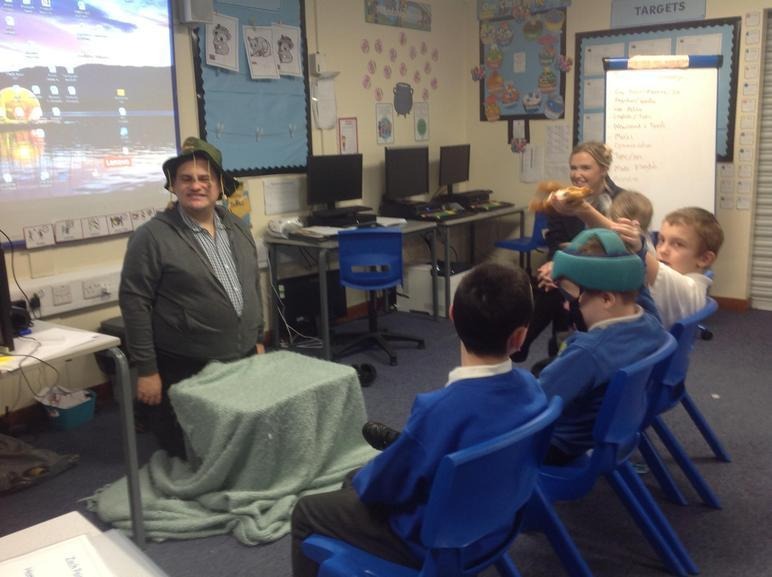
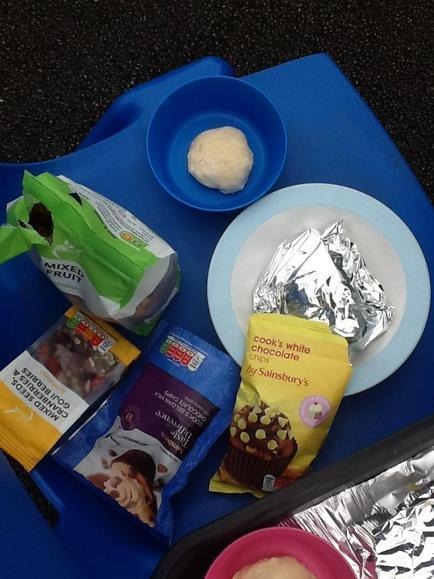
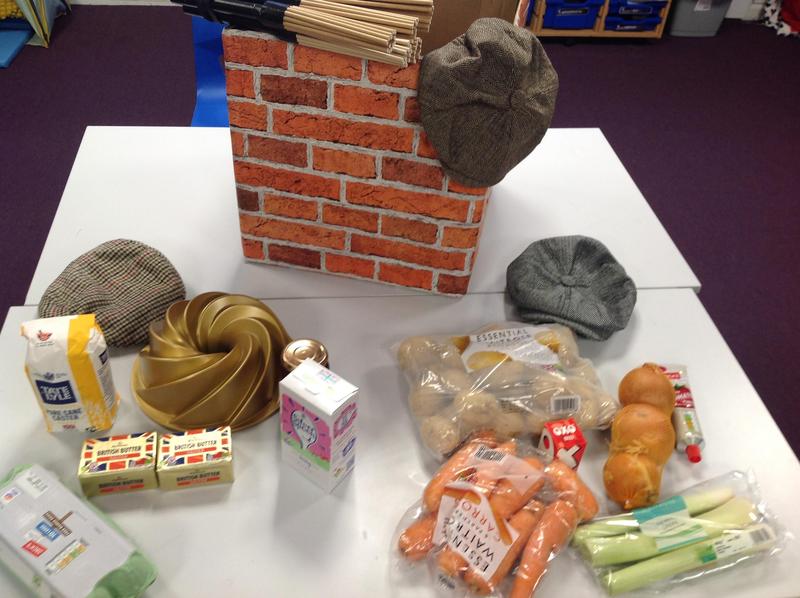
In Donaldson and Rosen Class they learn about Humanities through a thematic and sensory approach , especially in the stand of ‘Understanding of the World’. Topics to support the understanding of humanities include ‘Come dine with me’ and ‘Whatever the Weather’. Examples of work can be seen on the link below.
KS2 - Formal (Dahl)
Dahl class and Ion class are taught Humanities through a topic, with Dahl class following KS1 objectives and Ion Class following KS2 objectives. The topics encompass a range of other subjects to support their learning which include English and Drama links and Art and Design. Examples can be seen on the link below.
KS3 - Formal ( Attenborough, Rashford and Peake)
In Year 7 and Year 8 the classes of Rashford and Peake have a discrete Geography / History which alternate half termly. The objectives are taken from the remainder of the KS2 curriculum with learners following a formal pathway. The curriculum i also in chronological order for the learners to support their concept of time.
Year 9 focus on History which is accredited through the AQA unit awards. Most learners are working at Entry Level.
KS3 - Semi Formal (Scott and Brunel)
Scott Class (Year 7/ 8) are taught Humanities but follows more of a primary topic model. Geography and History are taught alternatively each half term and a sensory approach is encouraged for learners. Brunel are also taught Humanities and are assed using the AQA units, with most learners working at Pre-Entry Level.
KS4
Geography is taught in KS4 with a formal and semi-formal pathway.
KS4 - Formal ( Hawking and Bowie)
Formal learners are assessed using the ASDAN accreditation. Most learners are working at Bronze level with a focus on improving the local environment.
KS4 - Semi Formal (Bevan)
The Semi Formal learners continue to work on the accredited AQA units, with most learners continuing to work at pre-entry level. Examples of units include the United Kingdom, weather and Europe.
Examples of Learning in School
Rosen Class - Weather Pictures
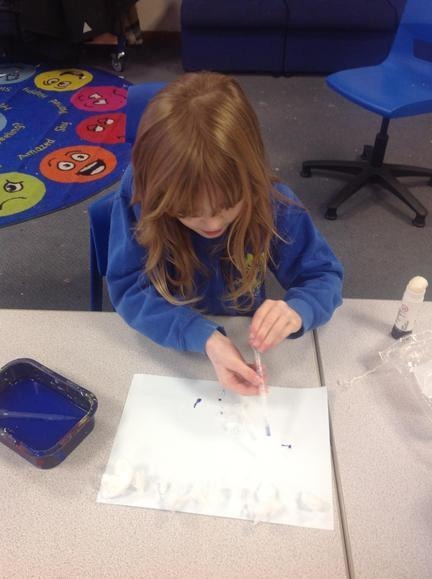
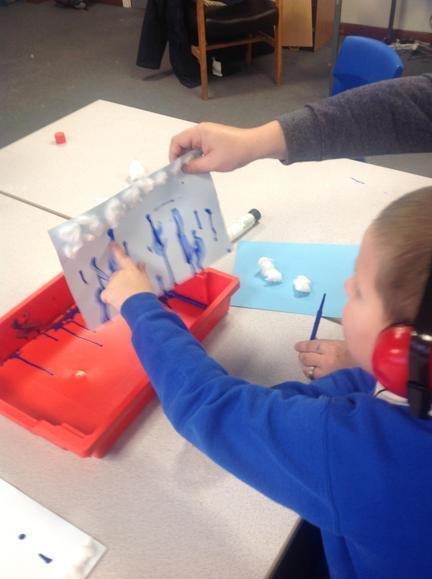
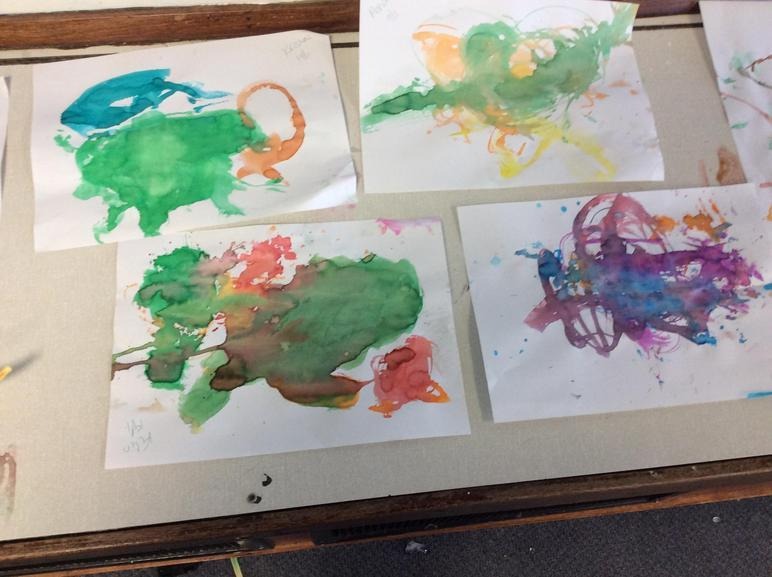
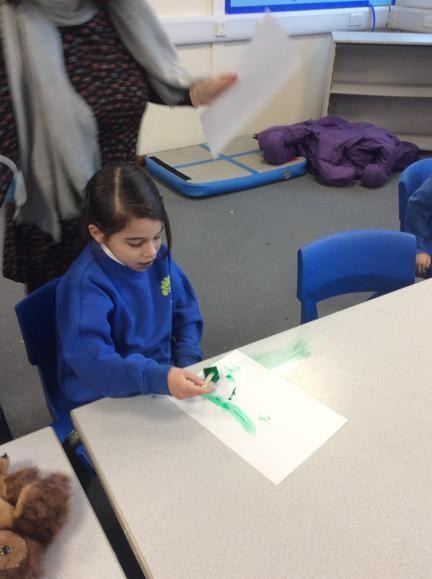
Rosen Class have been learning all about weather and each week a different weather is a focus. Prior to completing a weather activity we recap on the different Makaton signs for the weather and apply our learning to a song. Lots of sensory activities are used to support Rosen in their learning. During the activity on rain , Rosen class used cotton wool to emulate the clouds and used a pipette and blue paint for the rain. We really enjoyed watching the paint run!!



Rosen - Exploring Ice
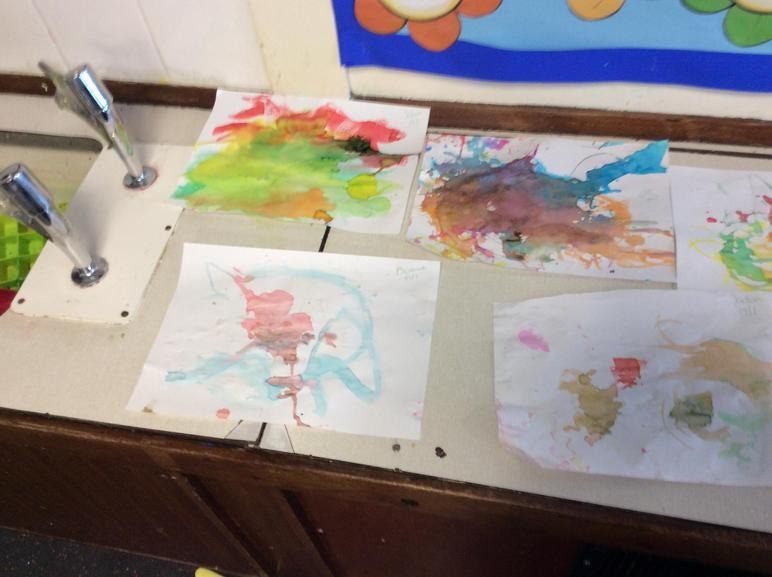
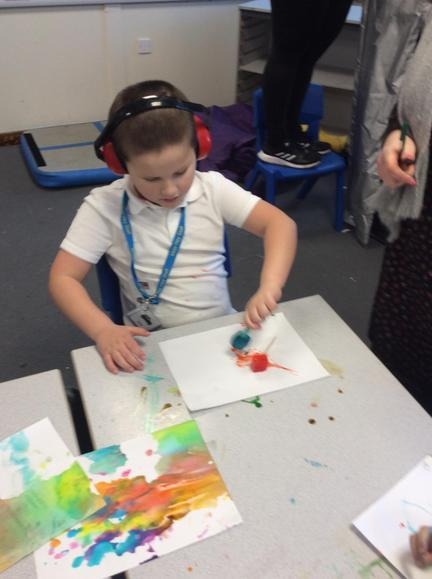
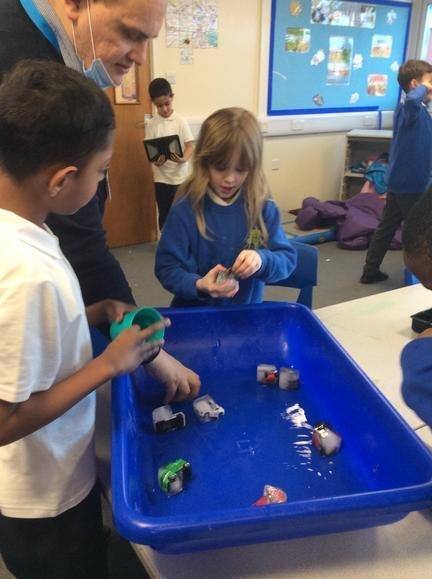
Rosen Class have been exploring ice. We recapped on the Makaton signs for weather and learnt the sign for ice. Mr Byrom-Jones had coloured the ice with food colouring and we had lots of fun painting with it! Our next activity was to help to get the toy cars out of the ice cubes. We had lots of fun trying to rescue the cars and used salt and hot water. However one pupil used his problem solving skills by dropping the ice on the floor to break the ice, thus releasing them.

Geography - 'My town and Me'
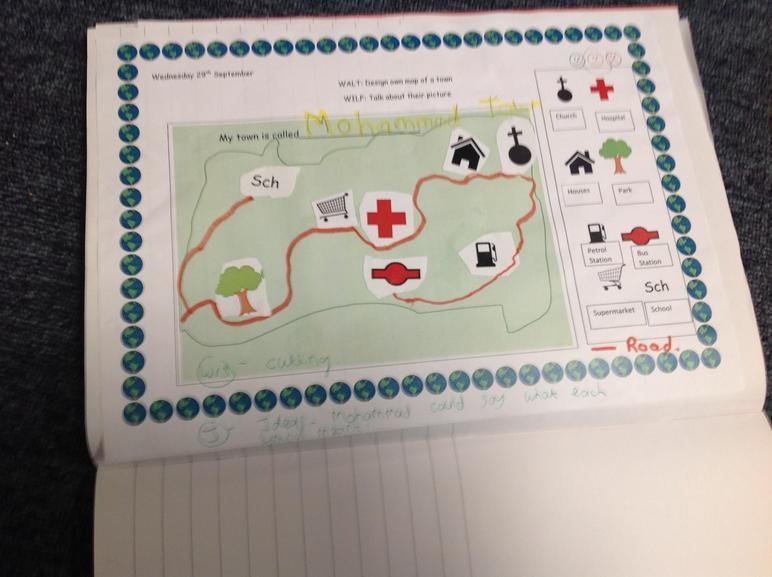
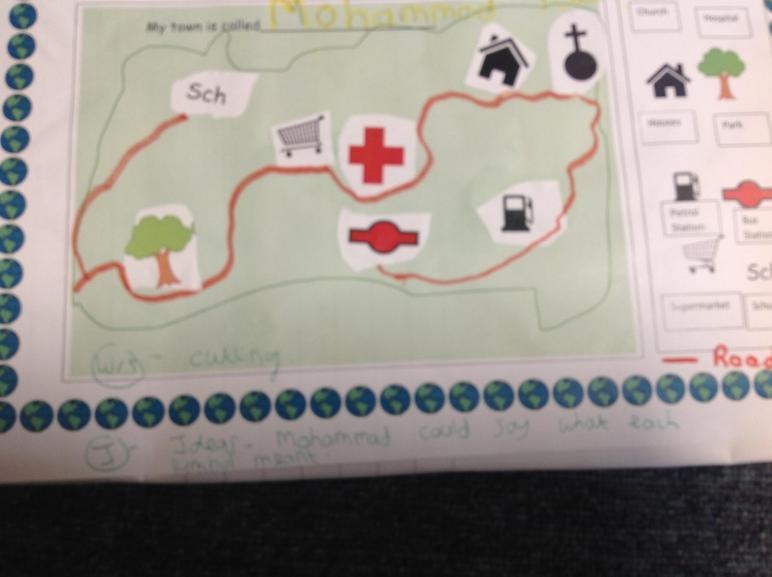
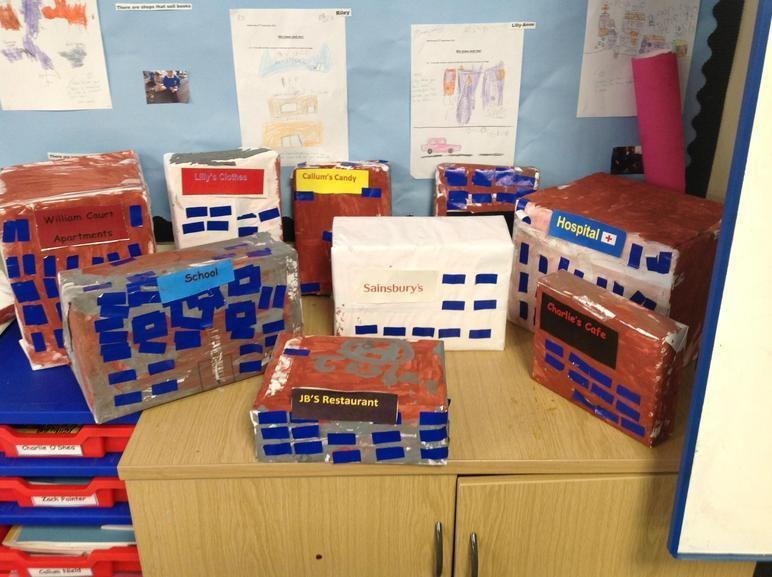
During the topic of 'My town and Me' we learnt about our locality. We later designed our own towns and thought of the different buildings we found in a town . We made our own junk models of these buildings. We also used our map skills to design our own towns with a key.
History - 'London's Burning'
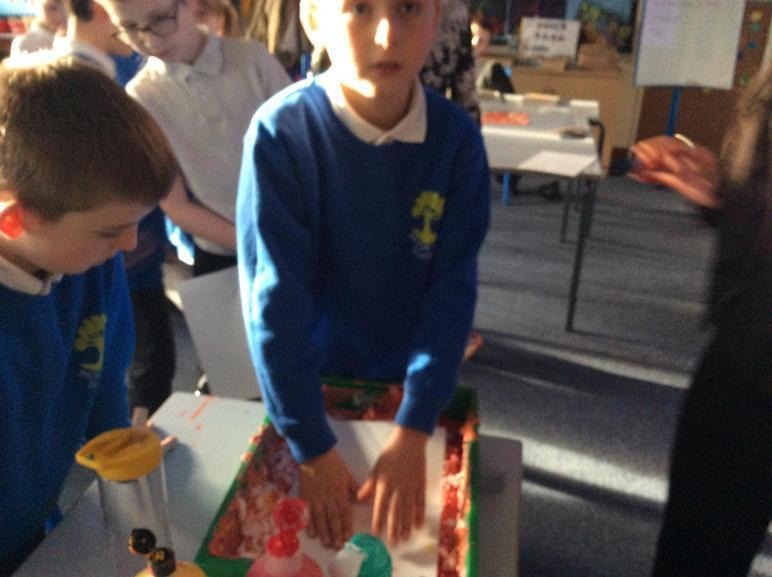
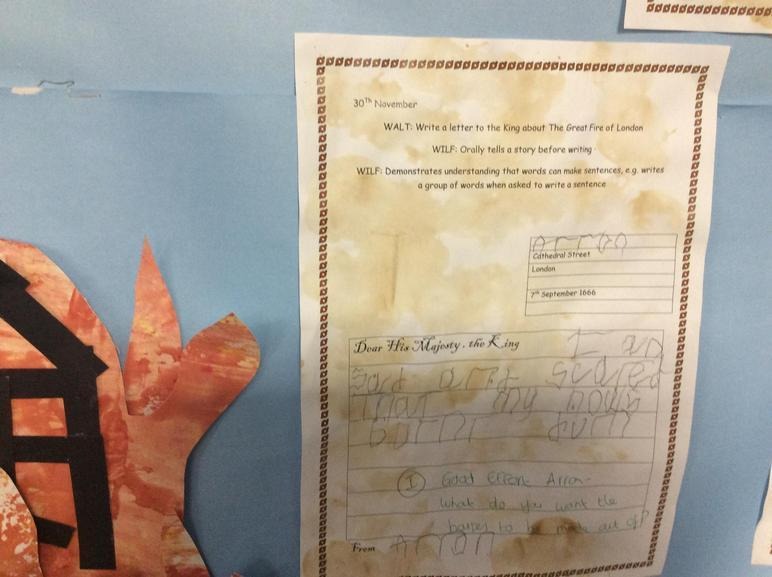
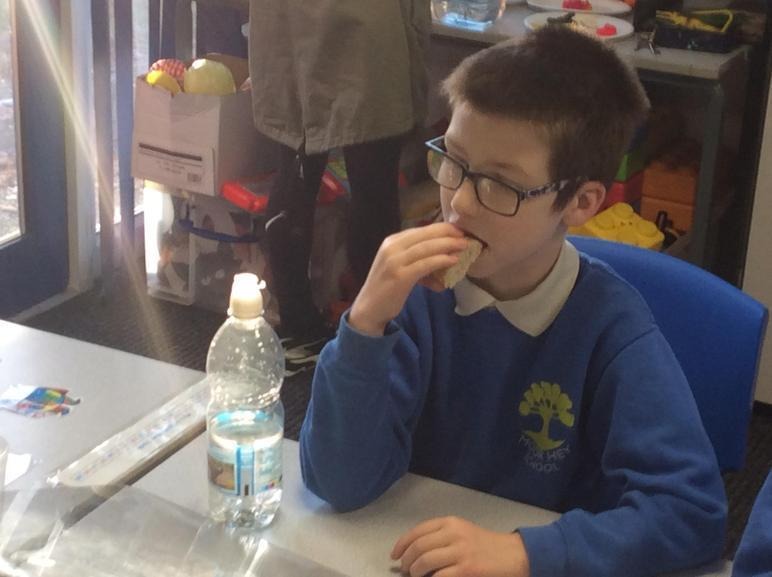
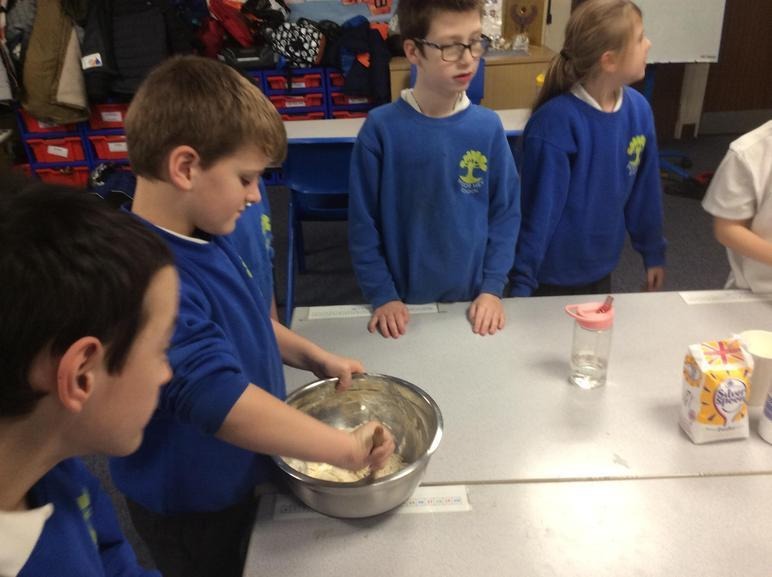
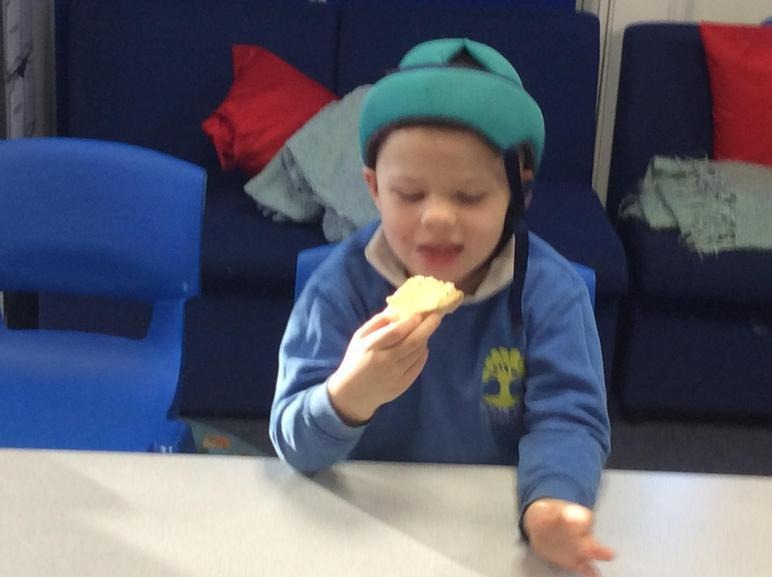
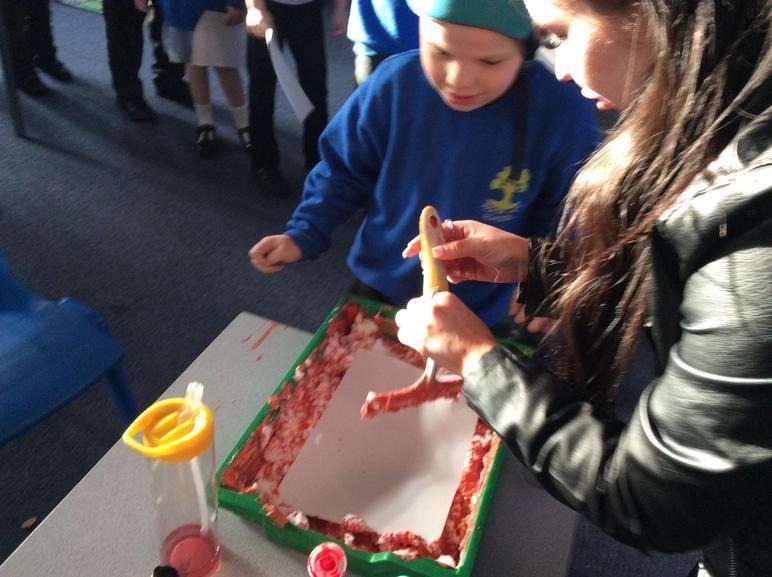
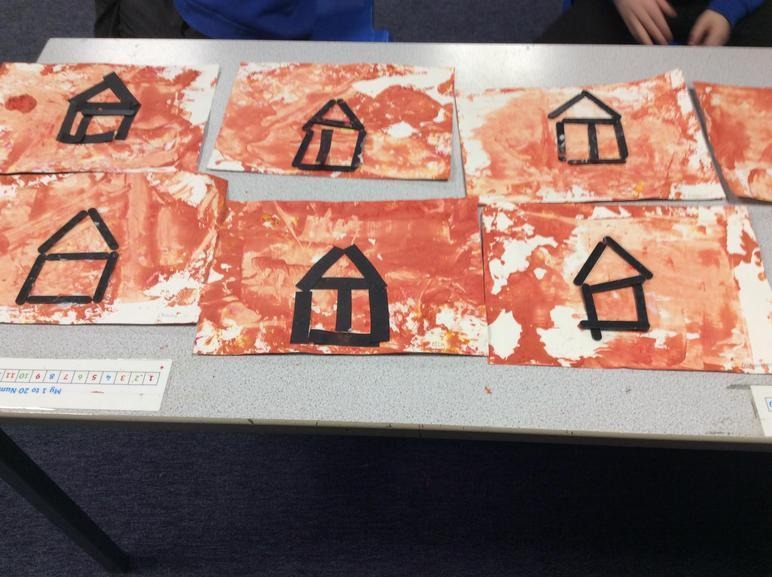
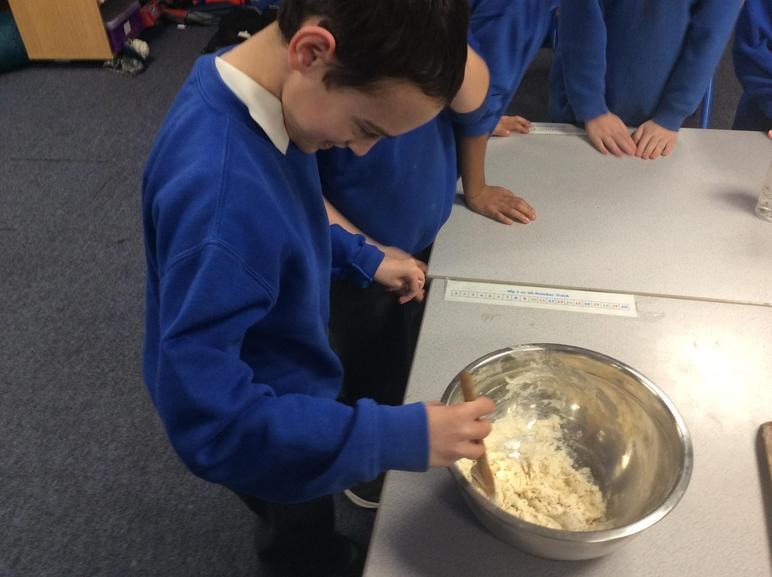
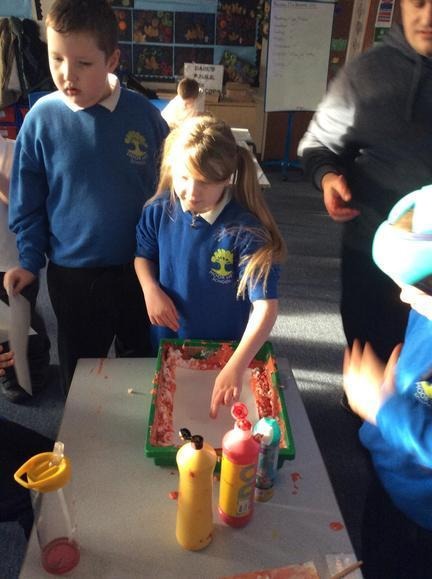
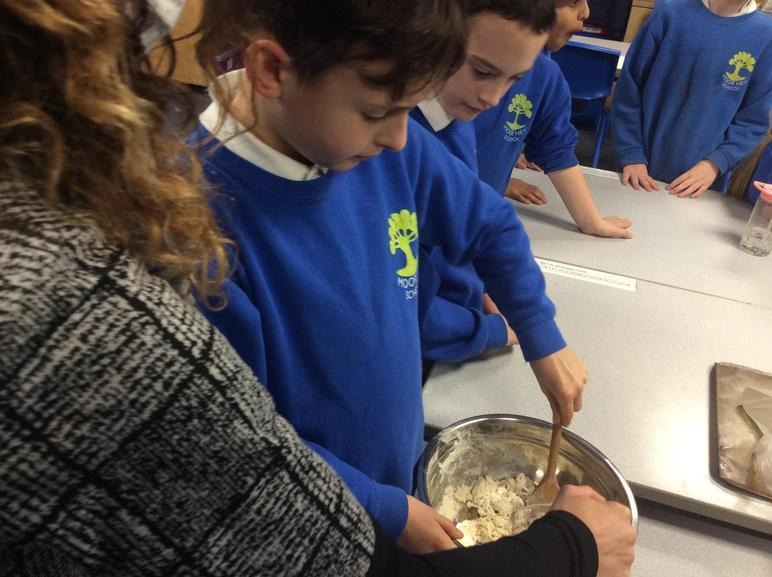
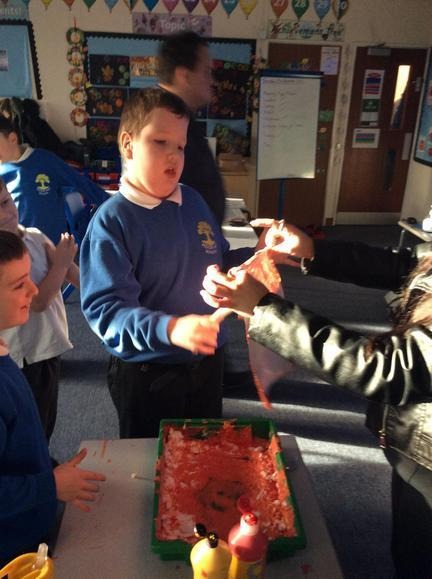
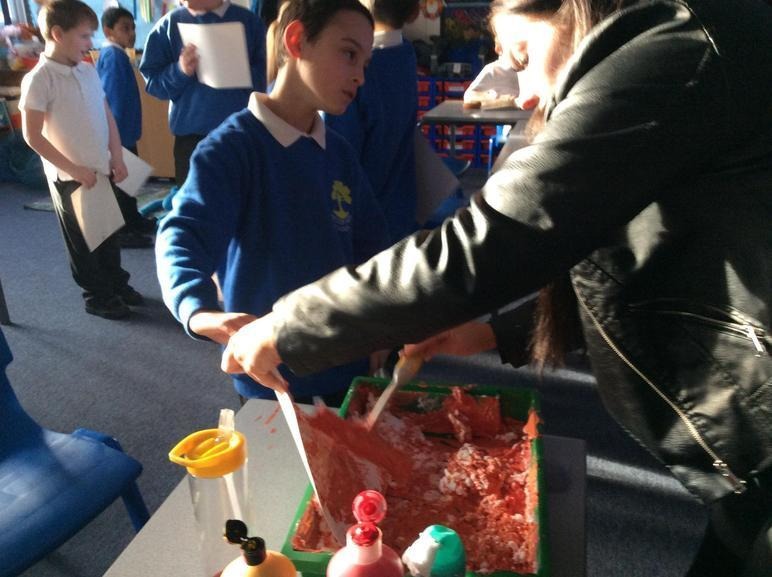
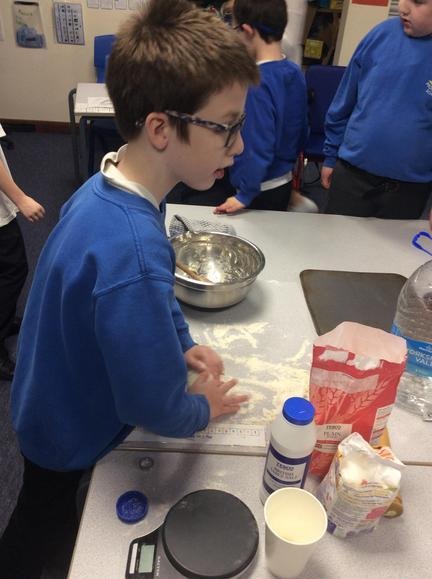
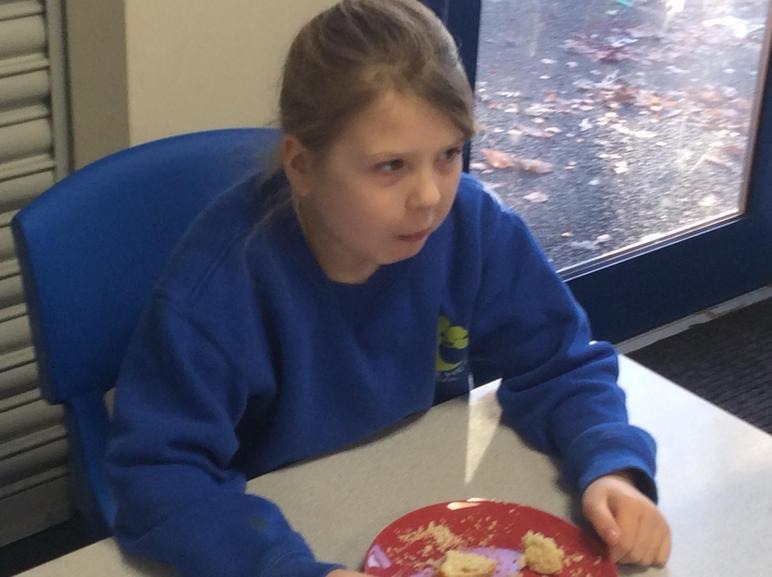
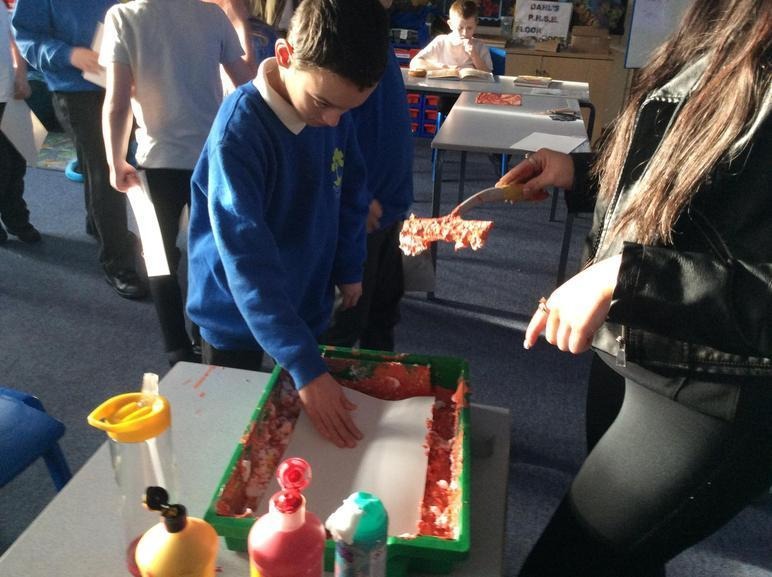
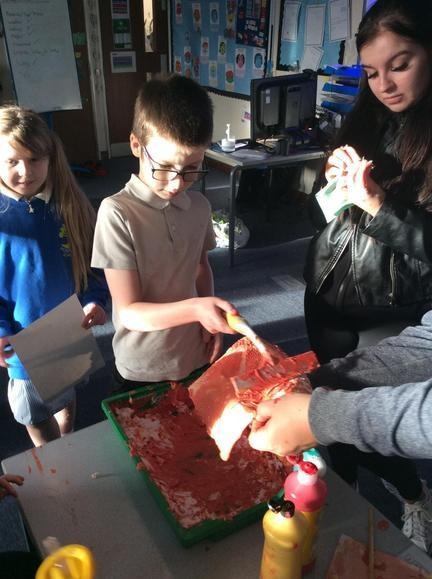
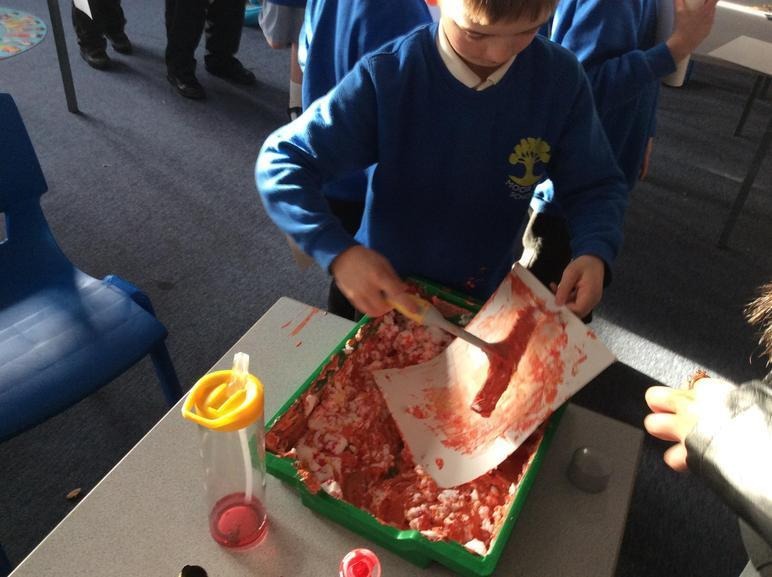
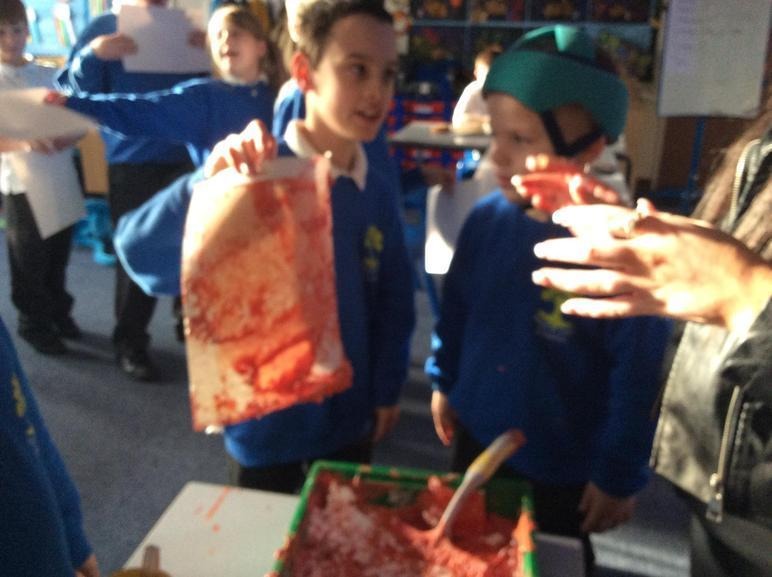
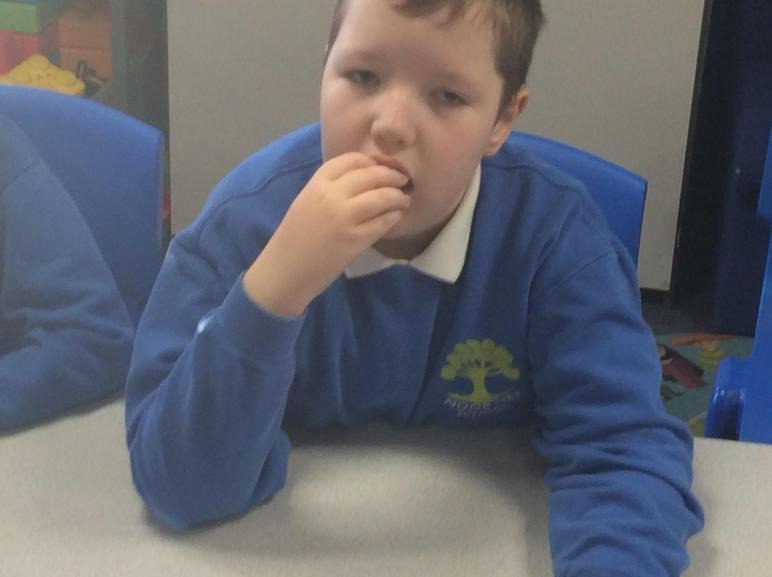
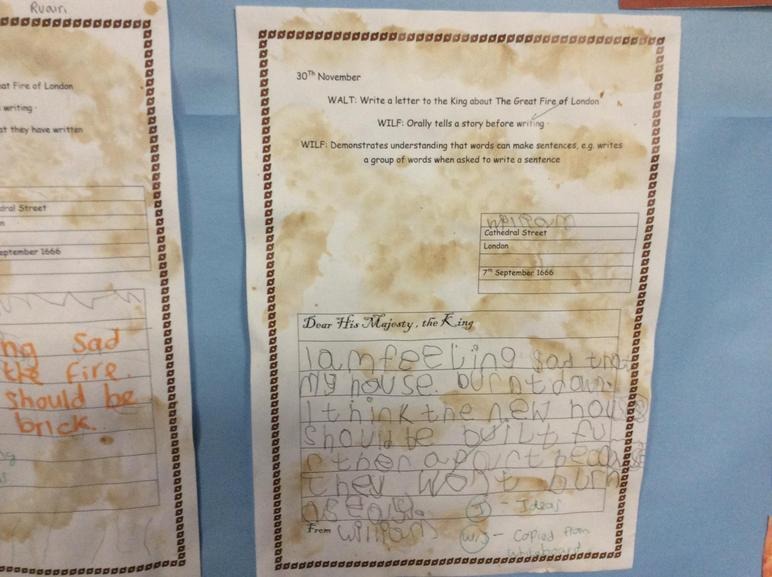
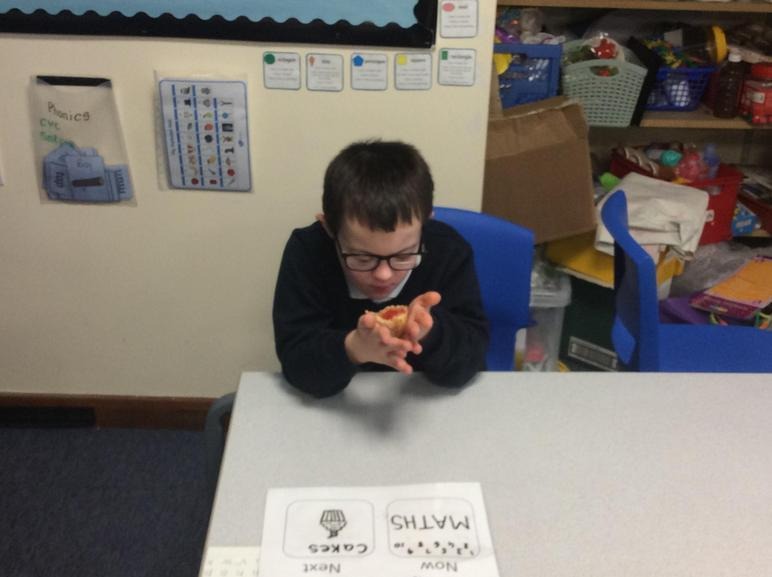
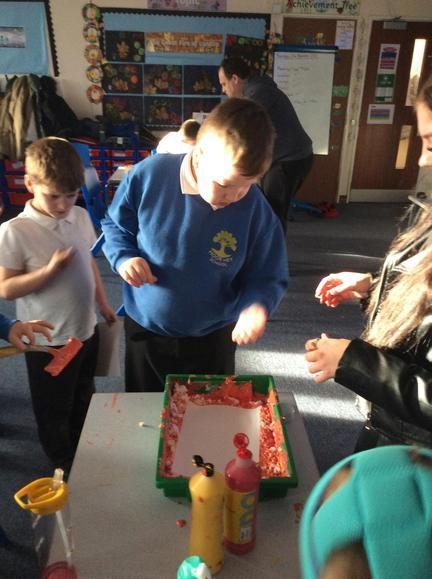
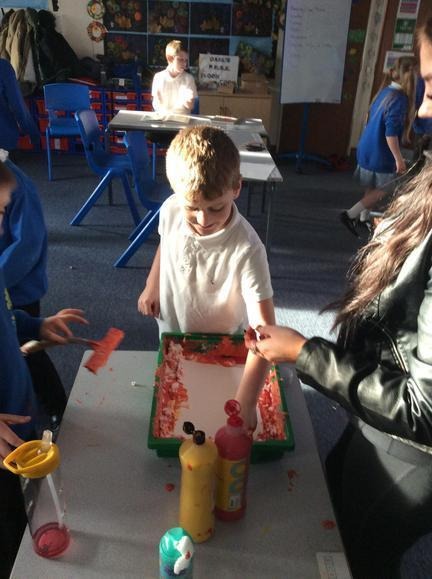
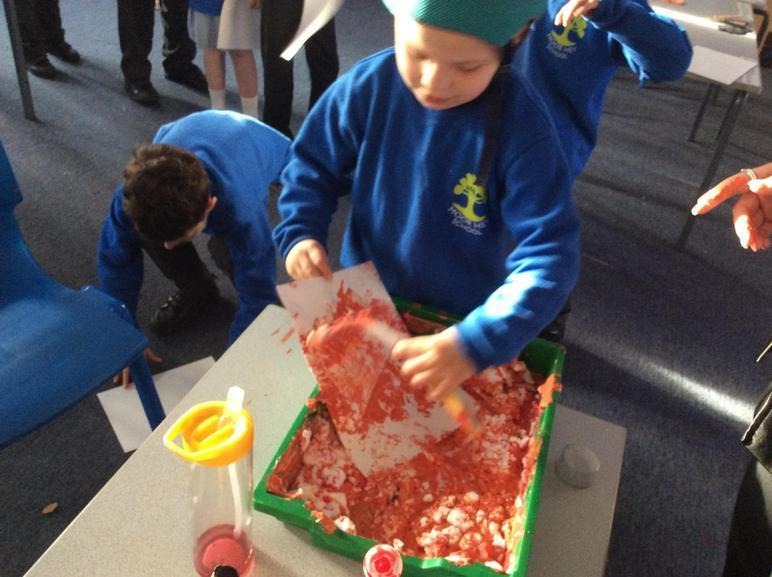
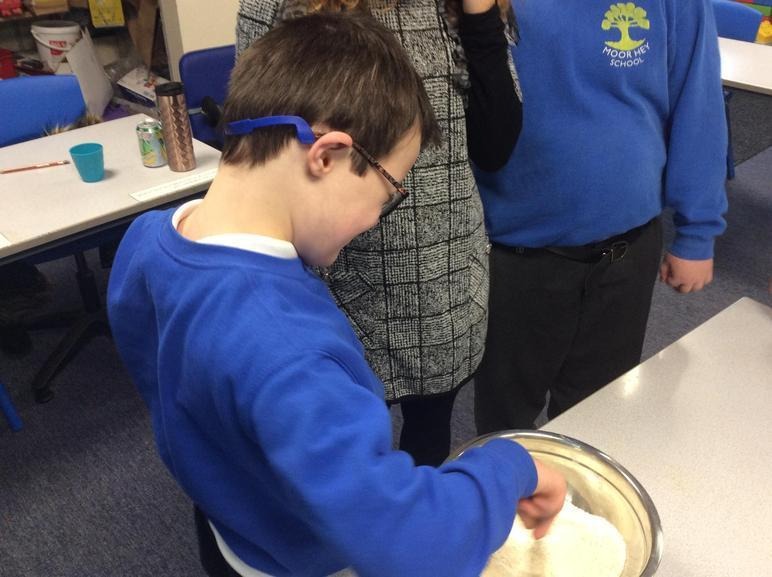
During 'London Burning ' we looked at how London had changed and that houses a long time ago were made out of wood and straw. We found out that the Great Fire was caused by an oven in Pudding Lane and that the fire spread easily because the houses were made of wood, built close together as well as being a very windy! During the topic we made our own Stuart houses out of lolly sticks and used marbling to create the firey background. We also wrote a letter to King Charles asking for a change in the building of houses as well as making our own bread using the recipe of the time. It was quite salty!









History - 'The Smashing Saxons'
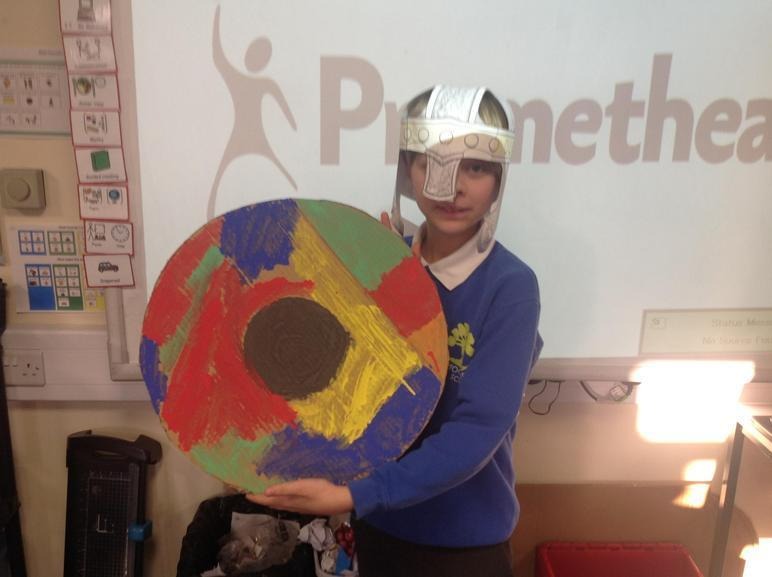
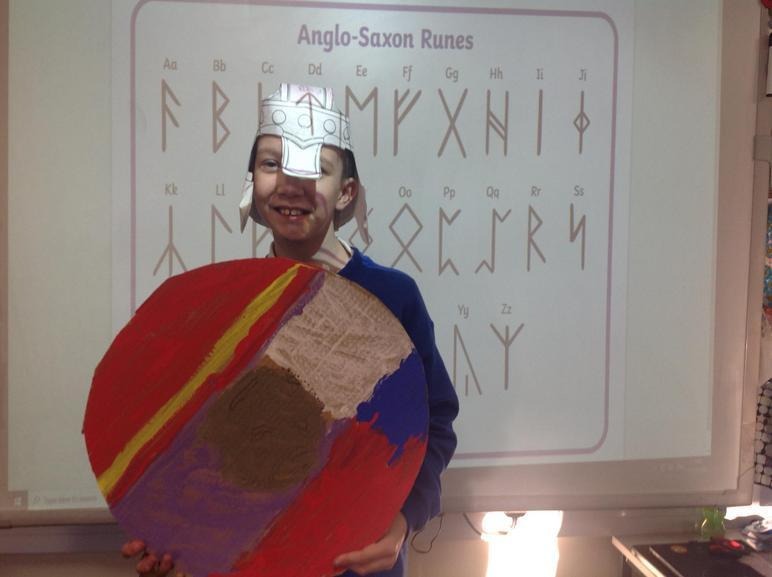
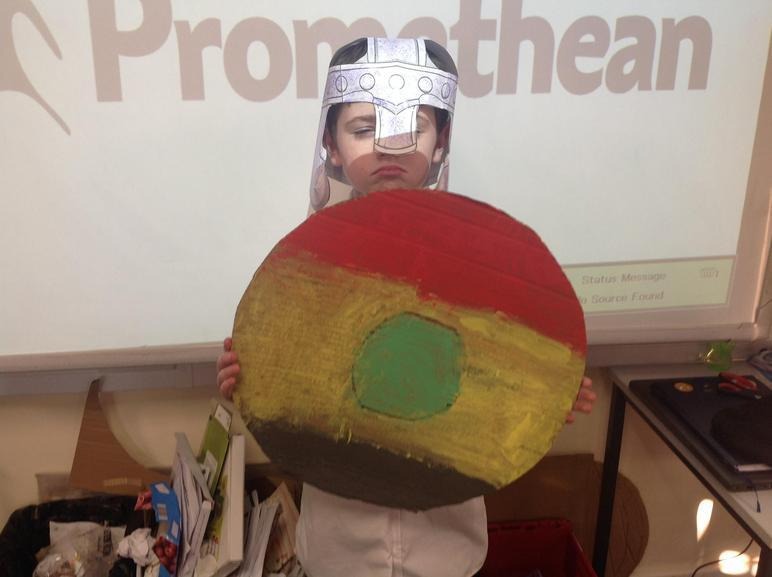
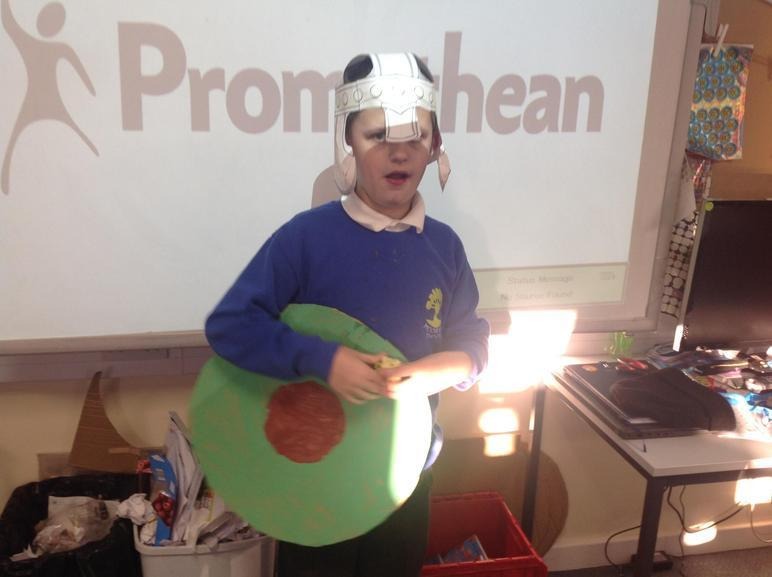
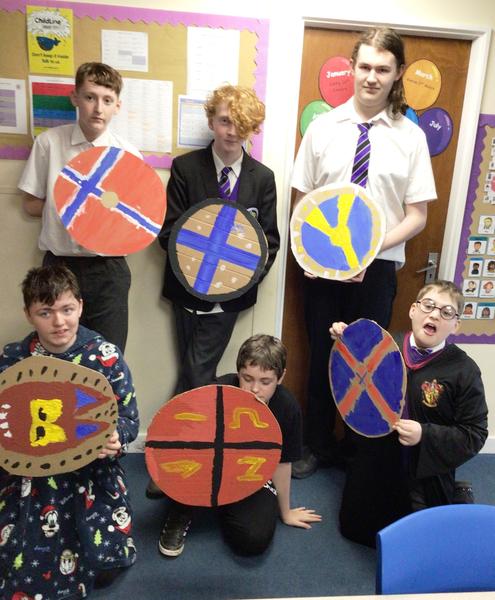
Ion class have been learning all about The Anglo Saxons. We found out where they came from and why they invaded Britain. After making a timeline of the events we explored Anglo- Saxon artefacts, looked at Anglo Saxons homes and way of life, as well as designing our own Anglo Saxon buckles and shields.

KS3 - Natural Disasters (Peake - Formal)
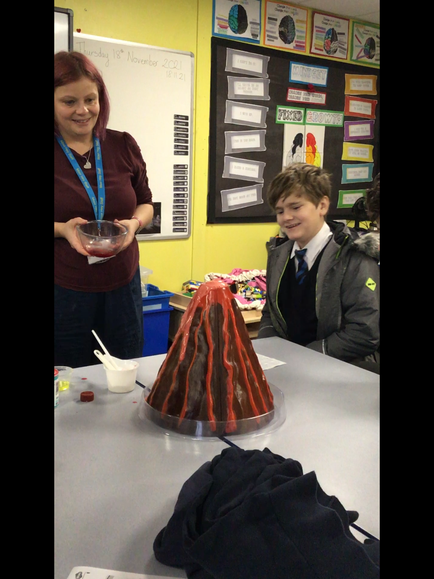
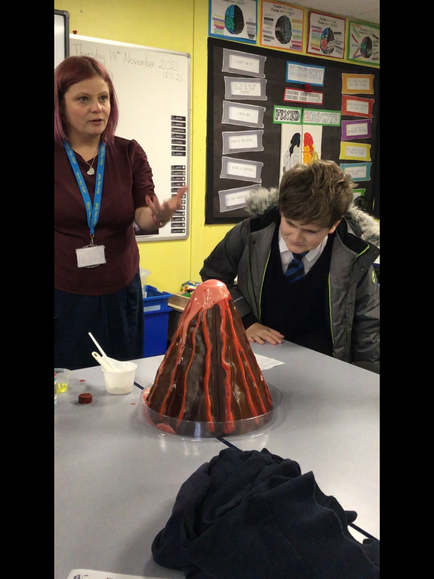
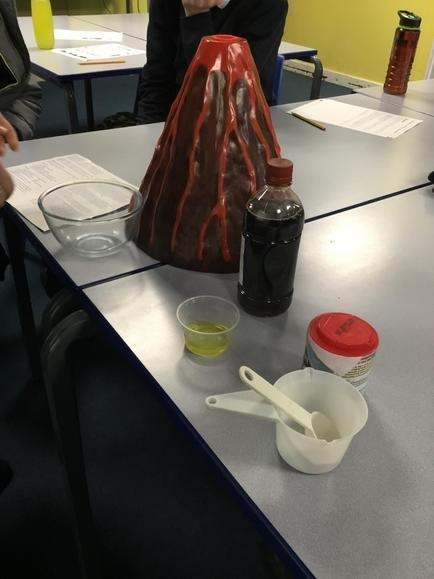
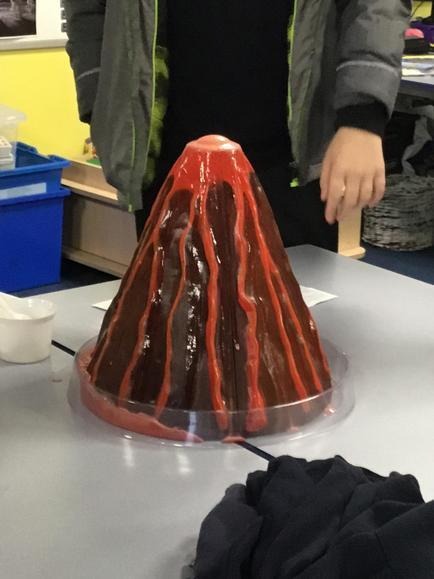
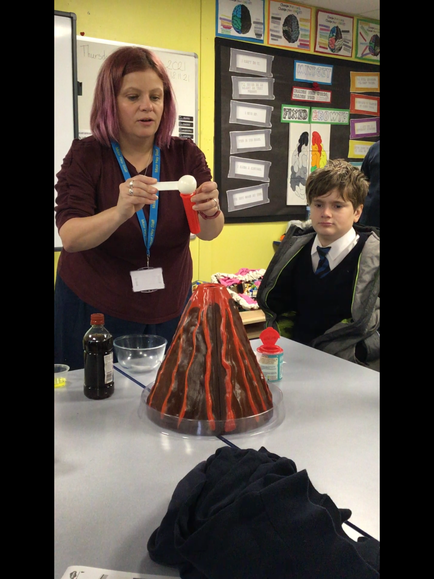
In Autumn 2 Peake Class learnt all about Natural Disasters with a particular focus on Earthquakes and Volcanoes. We learnt about the tectonic plates as well as labelling and recognising the features of a volcano. We had fun making a model of a volcano to support our learning.

KS3 - 'Britain at War' (Brunel - Semi Formal)
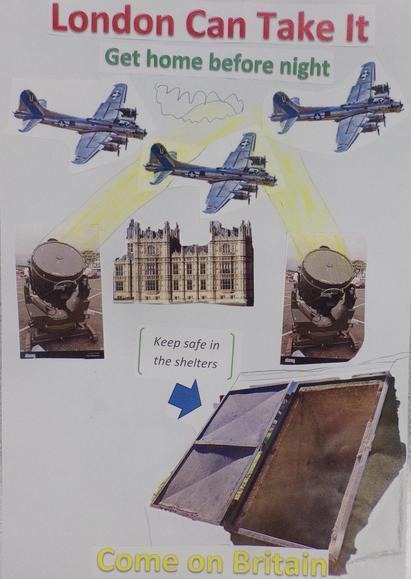
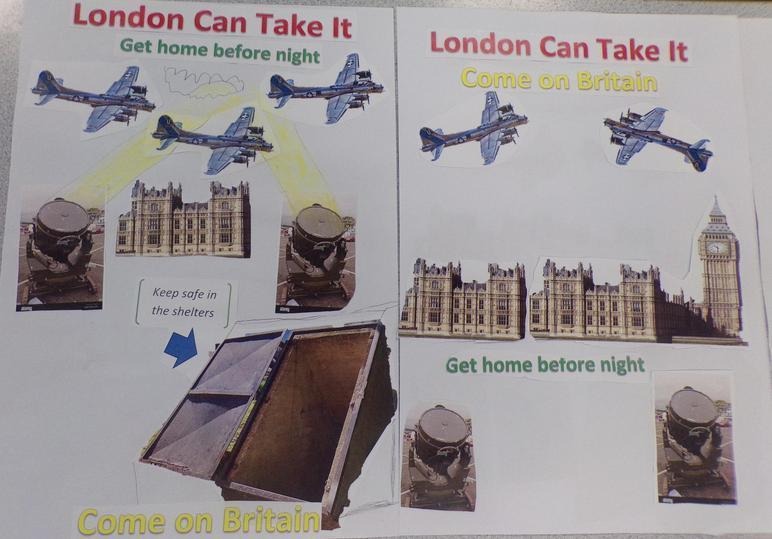
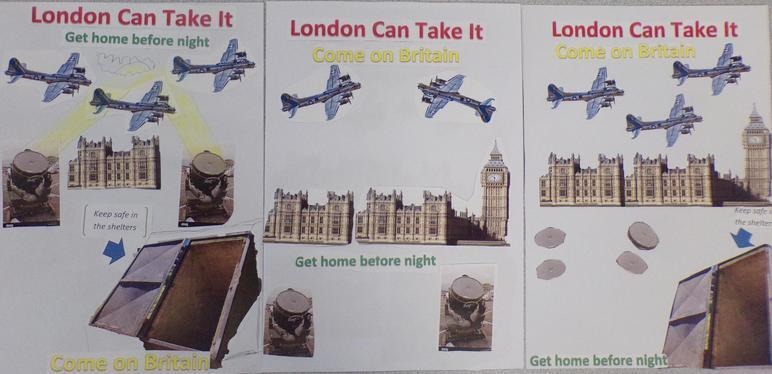
Brunel Class have been learning about 'Britain at War' as part of their AQA work. After handling artefacts and learning about life at the time Brunel class made posters about staying safe during WW2.
Weather Observations (AQA Unit Awards)
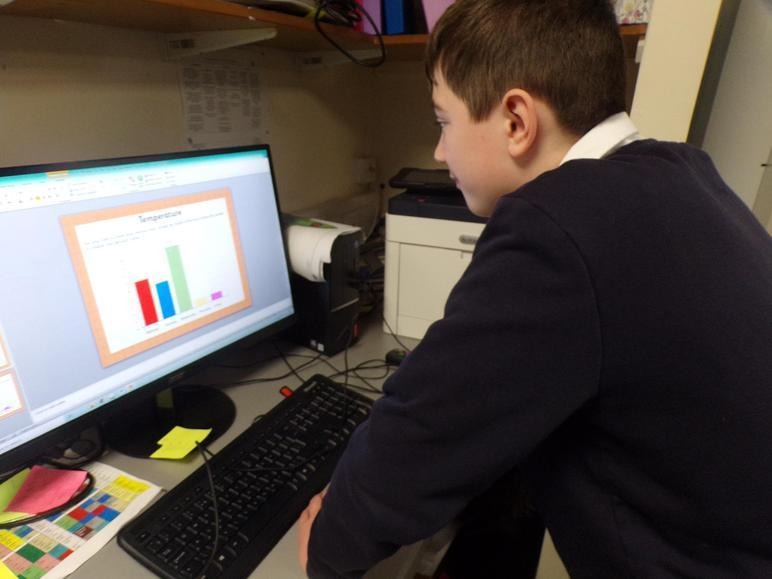
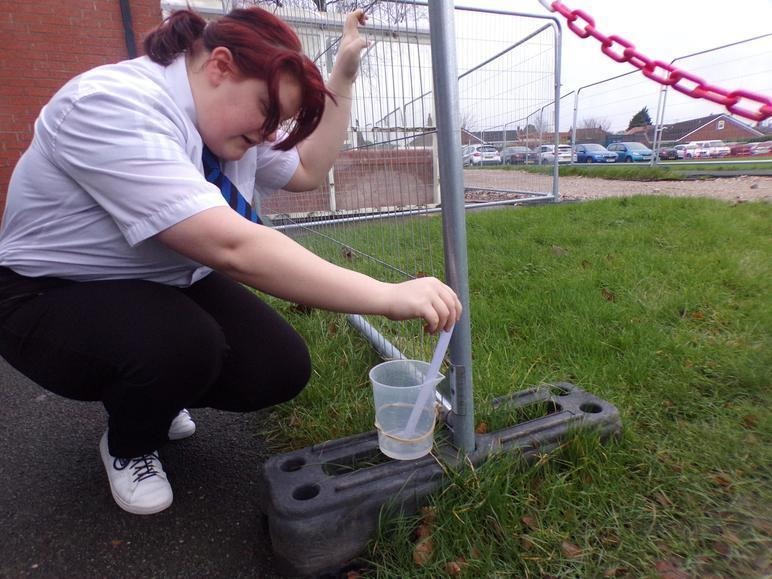
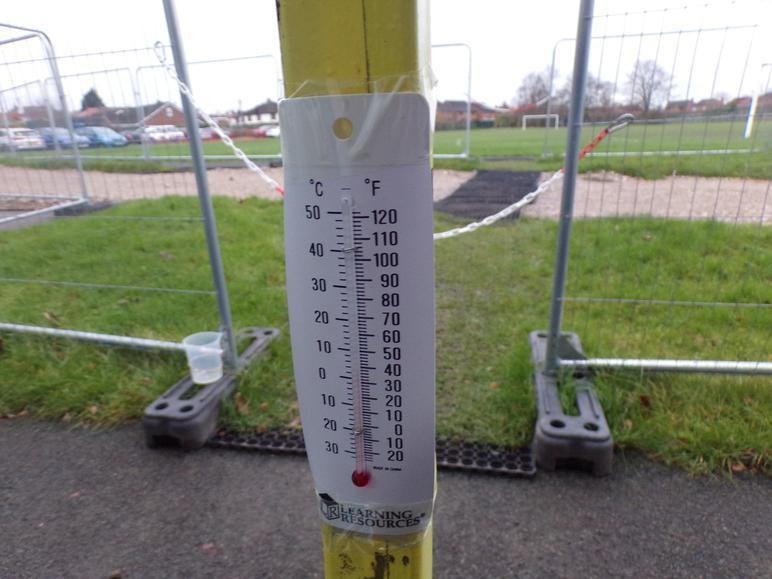
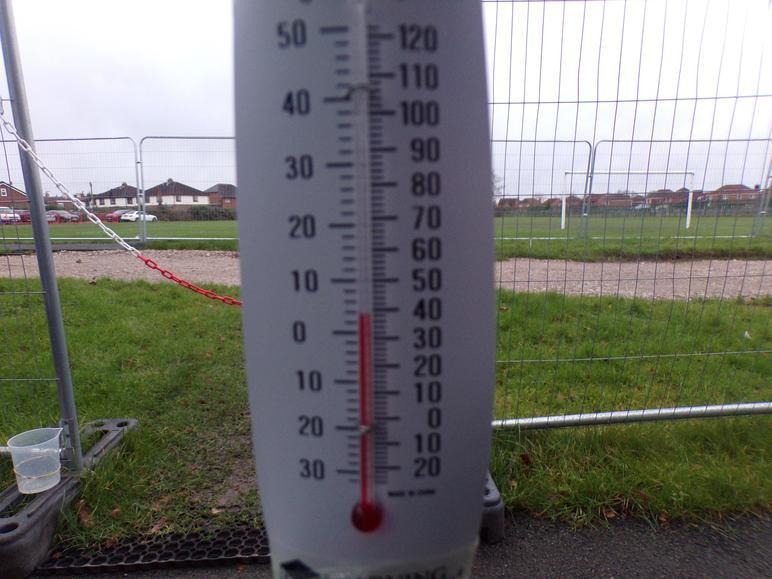
As part of our AQA Geography unit on Weather Observation we undertook lots of weather recording activities around school using different mathematical / scientific apparatus . We then used ICT software to record and present our findings.
World Book Day 2024
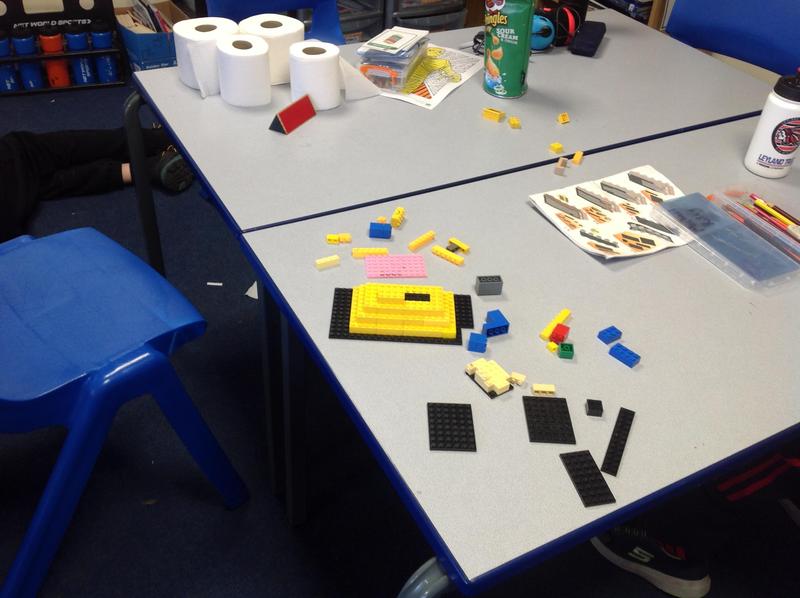
As part of our world book day celebrations pupils in KS3 chose a period of history to focus our day around.
- Hawkin Class - Victorians
- Attenborough Class - Egyptians
- Rashford Class - Vikings
The pupils had a great day dressing up and taking part in lots o activities around their theme.
Black History Month October 2021
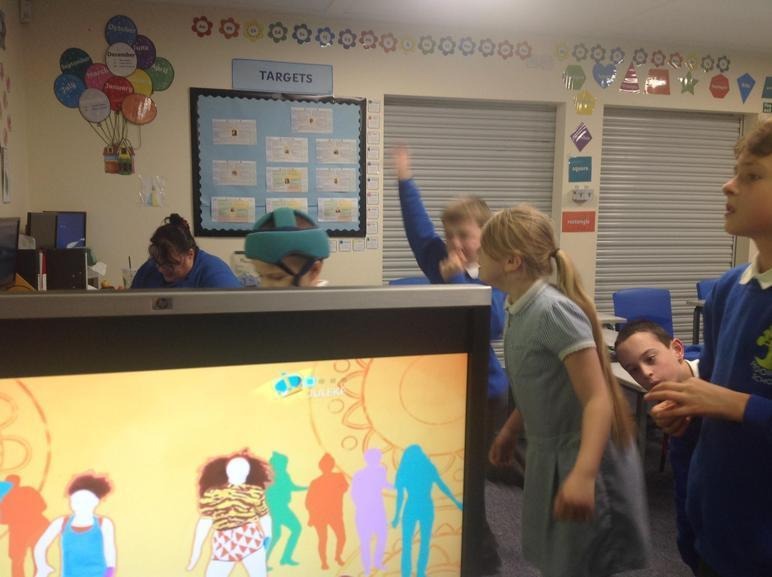
In October 2021 Moor Hey celebrated Black History Month. Activities were differentiated accordingly, taking into account individual learning needs, styles as well as having a cross curricular approach.
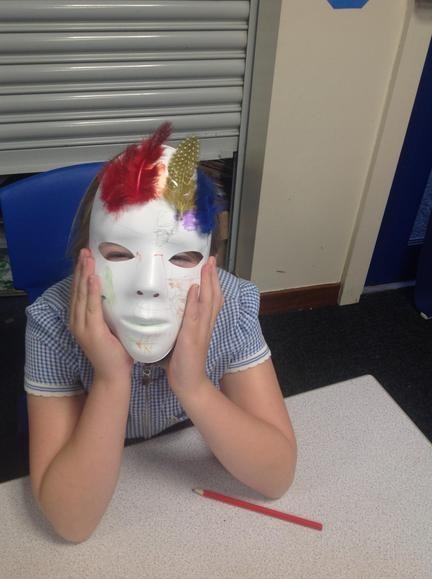
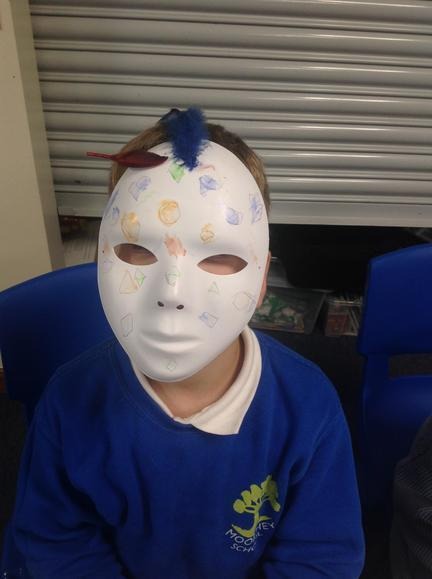
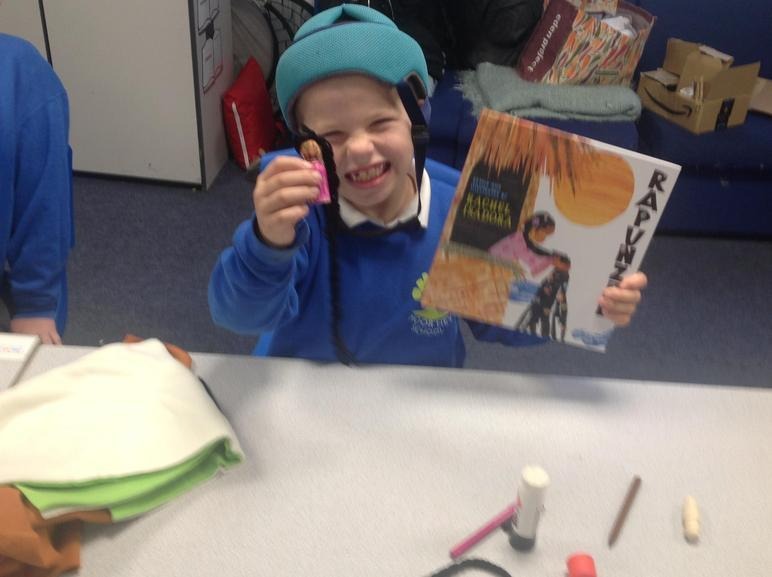
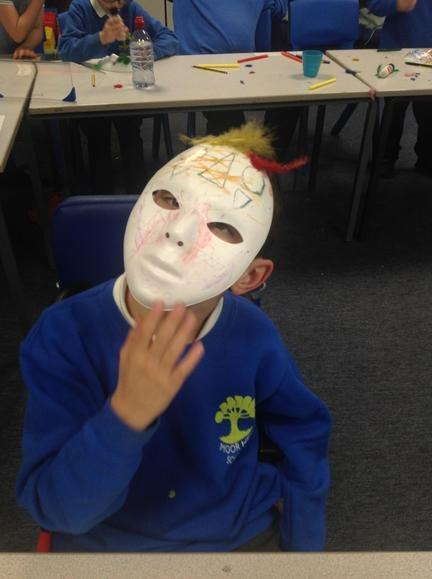
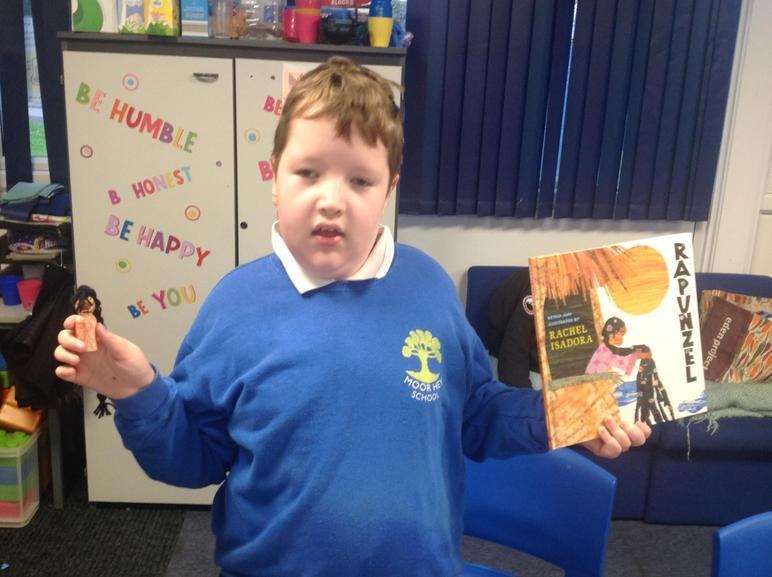
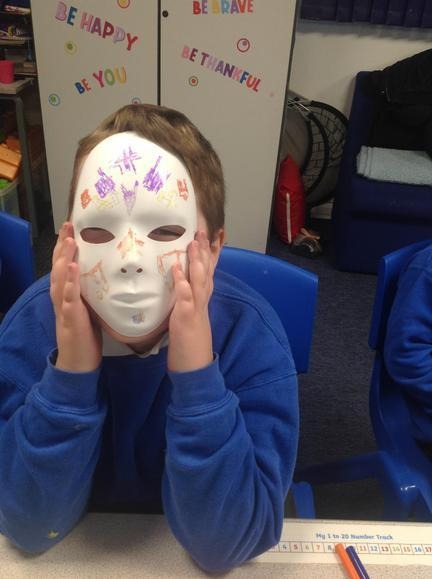
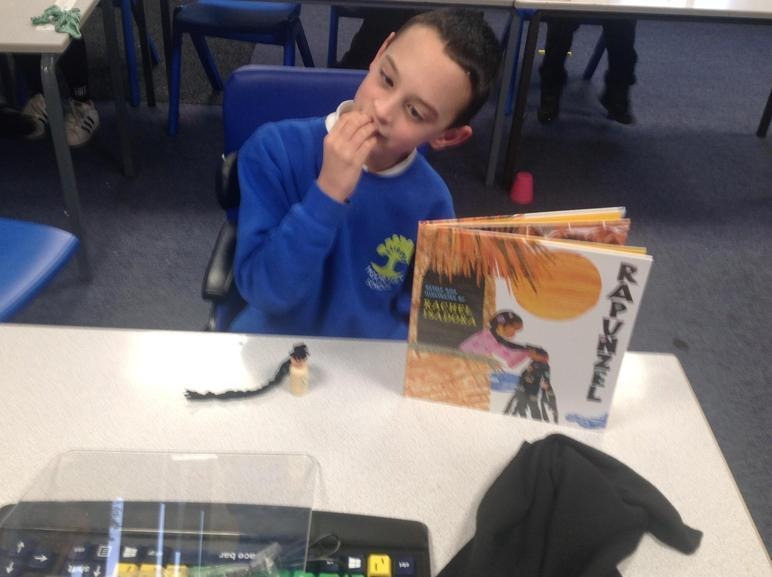
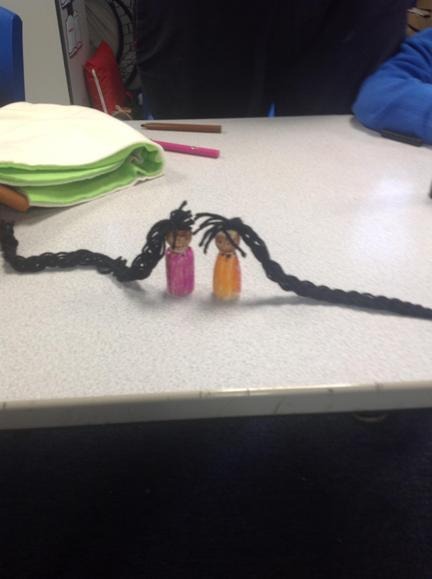
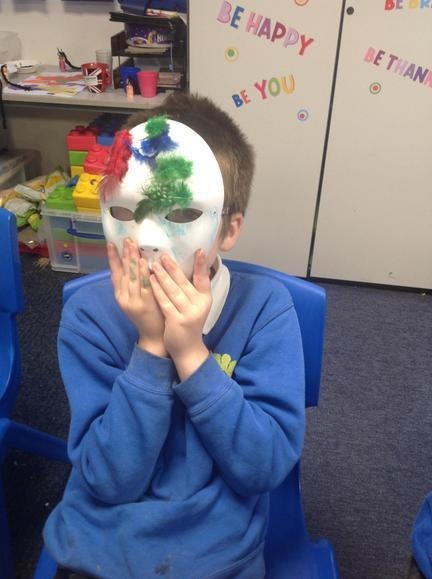
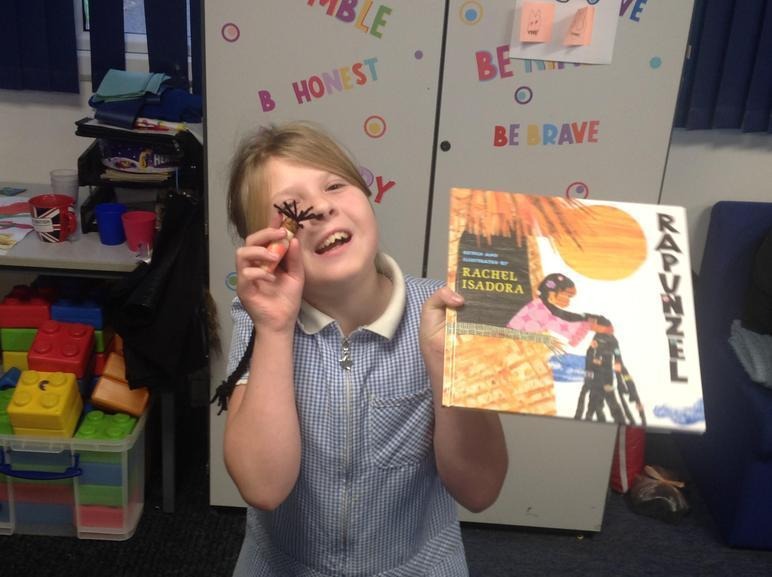
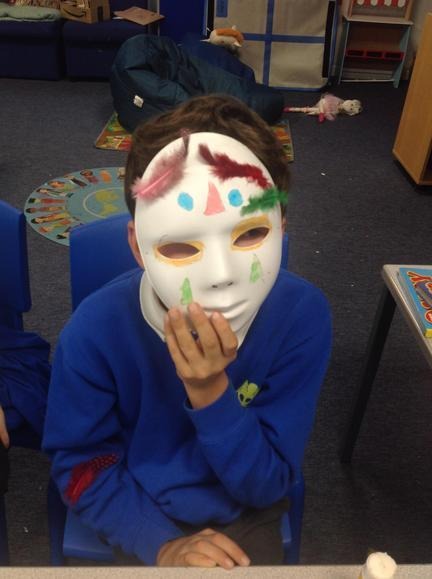
In EYFS and Primary, the classes were given a picture book to support their learning. In Donaldson class learners listened to the story of ‘Handa’s Surprise’ before tasting the different fruits from the story. They also made their own African necklaces. In Rosen class, the learners listened to the Kenyan tale ‘Mama Panya’s Pancakes’. Learners really enjoyed making their own pancakes! Dahl class listened to an African version of Rapunzel of Rapunzel before making their own Rapunzel peg doll based on the story. They also made their own African masks.
KS3 / KS4
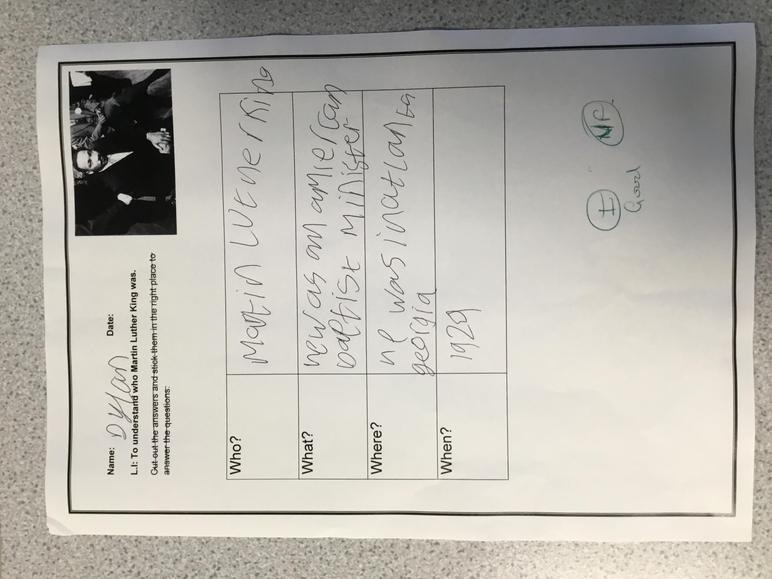
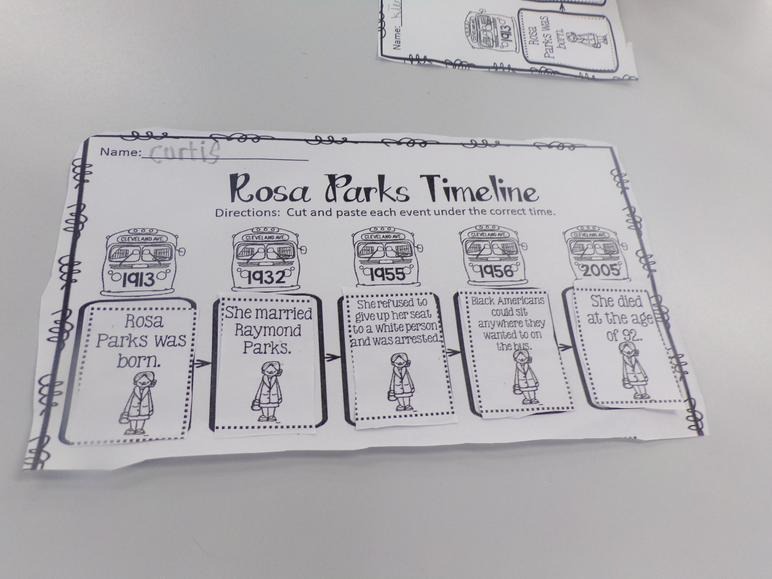
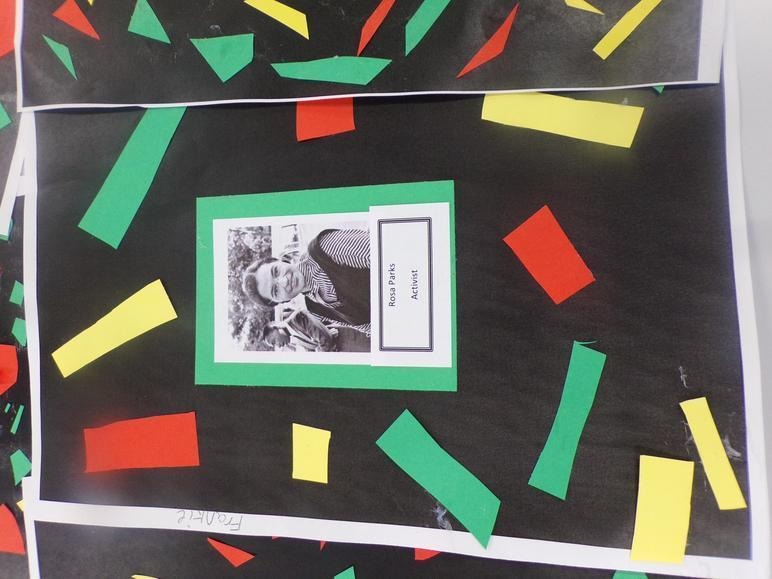
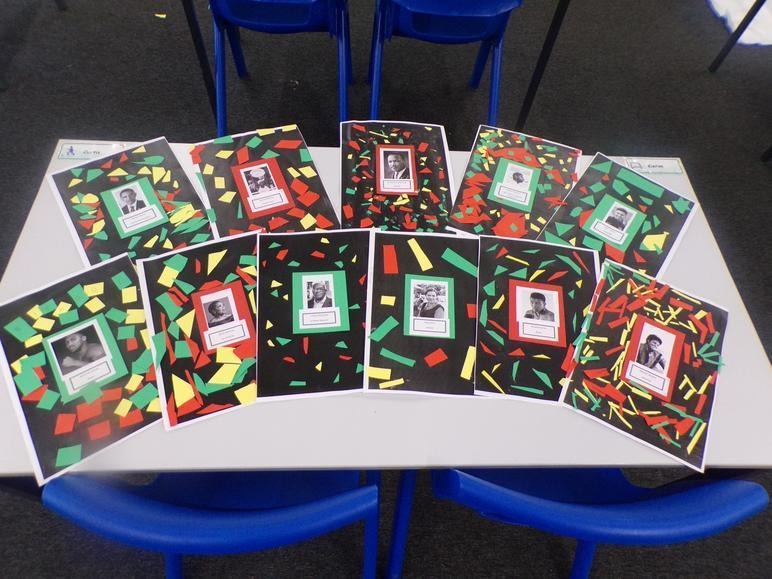
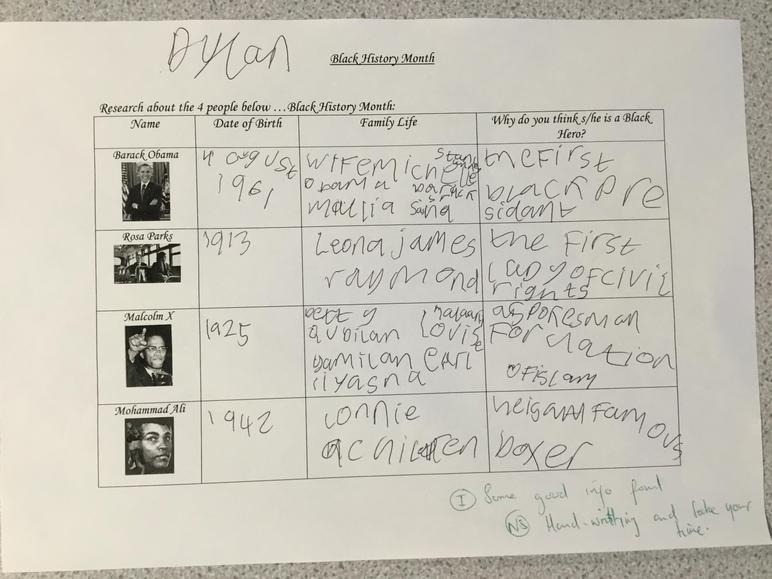
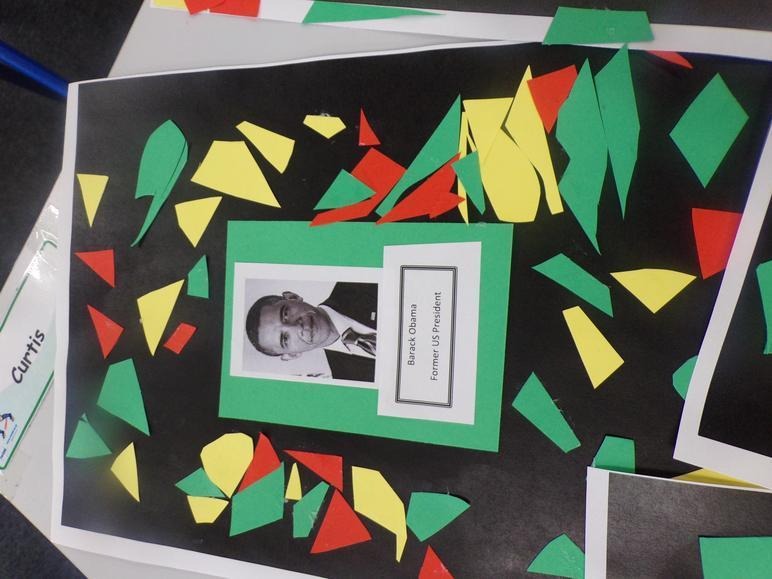
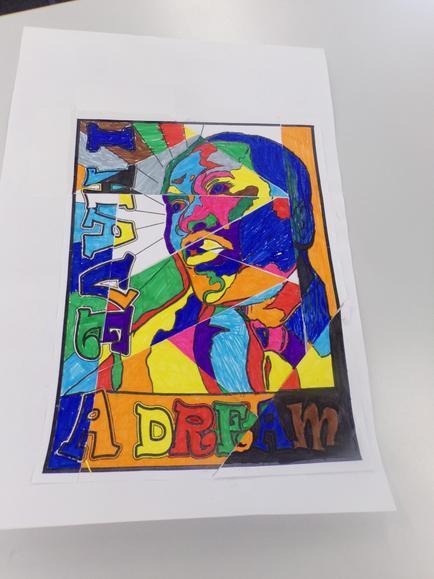
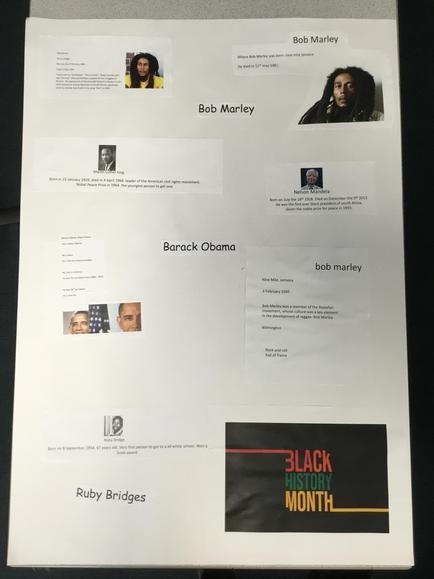
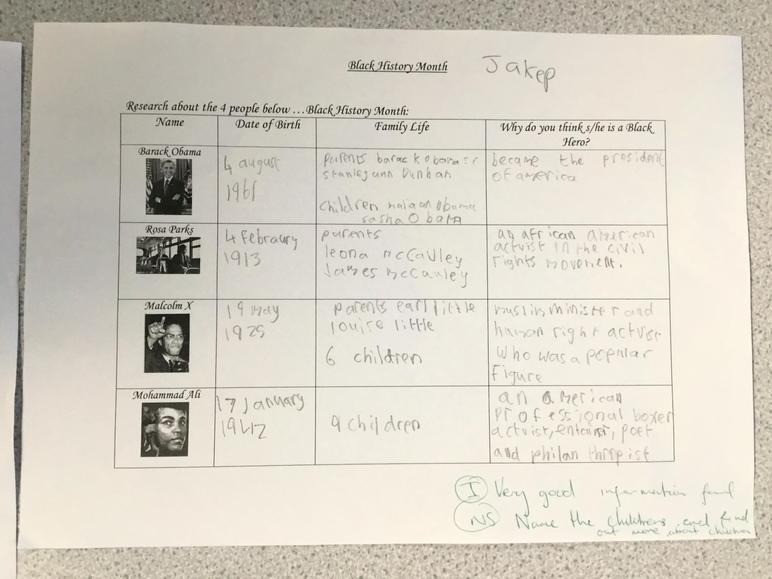
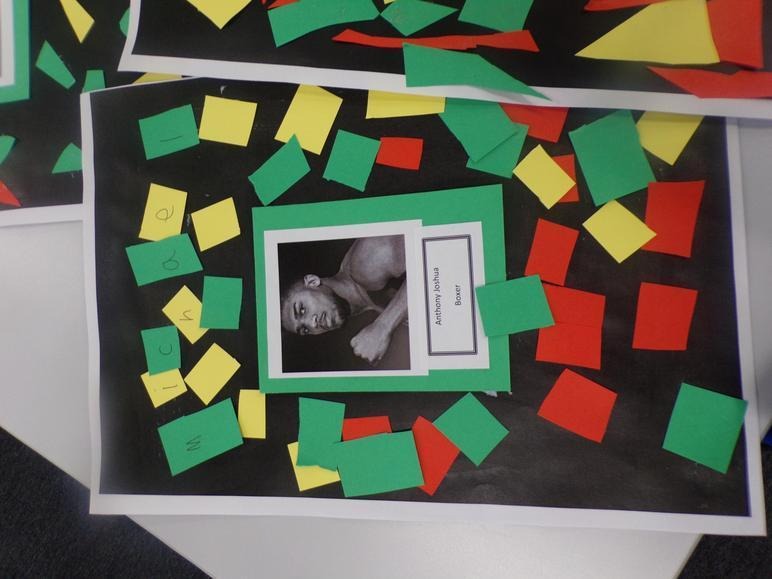
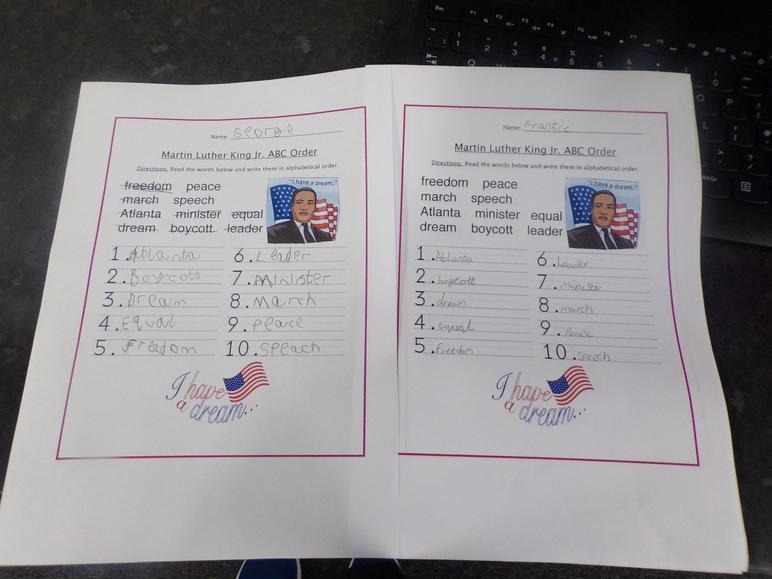
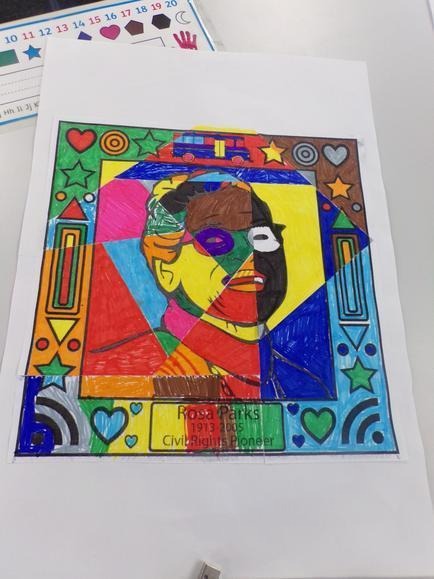
In KS3 learners learnt about some significant black individuals who changed the world, Examples of significant individuals included Rosa Parks, Nelson Mandela and Martin Luther King. Learners learnt about the racism they encountered and how they stood up for their individual rights. Art was created to accompany their learning.



Australia Day 2021
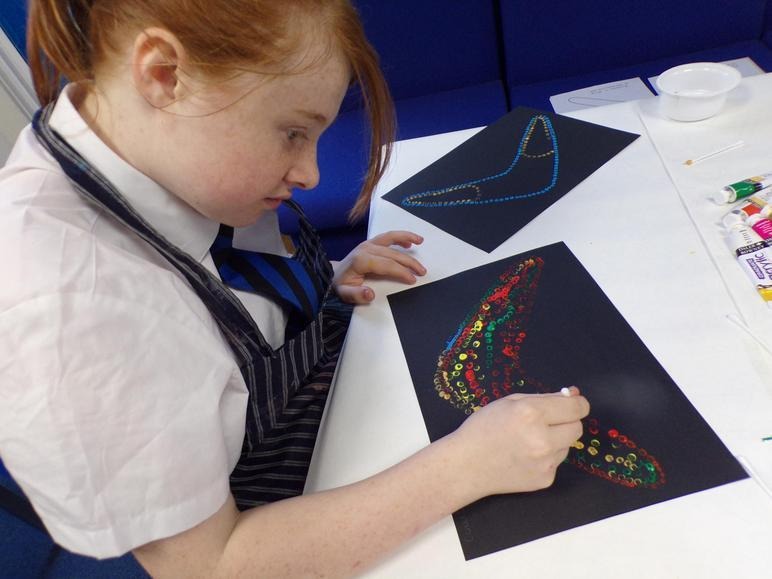
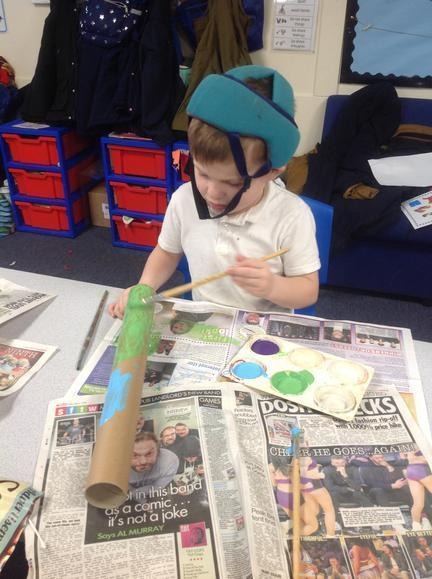
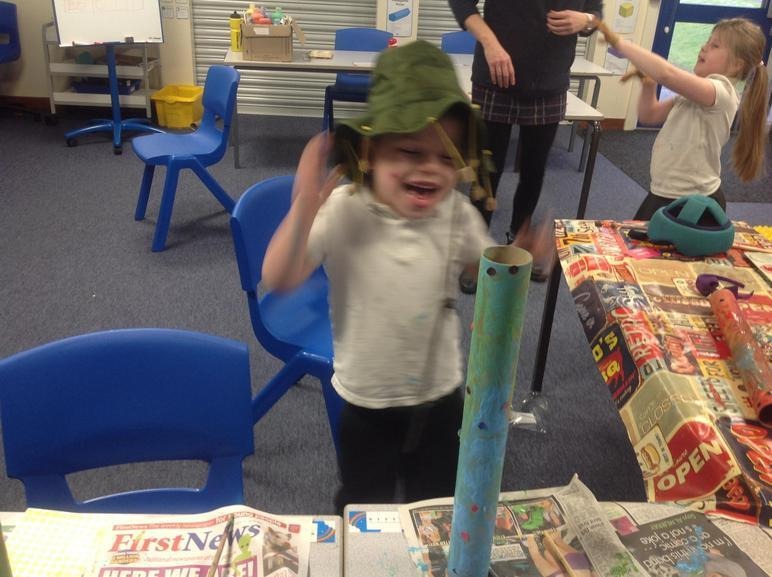
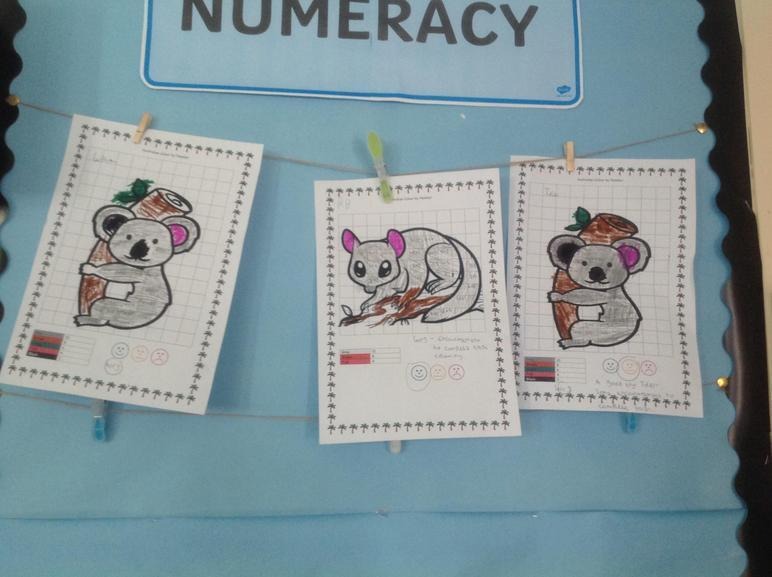
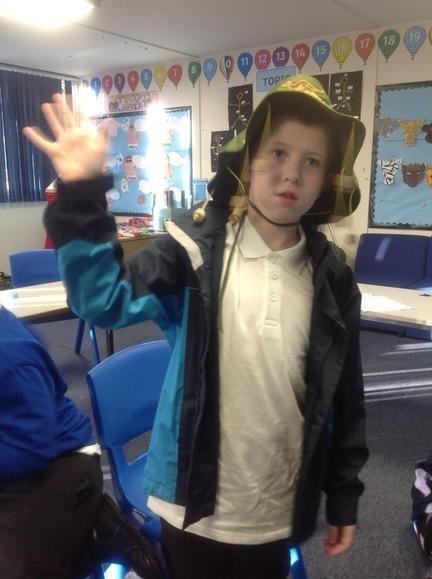
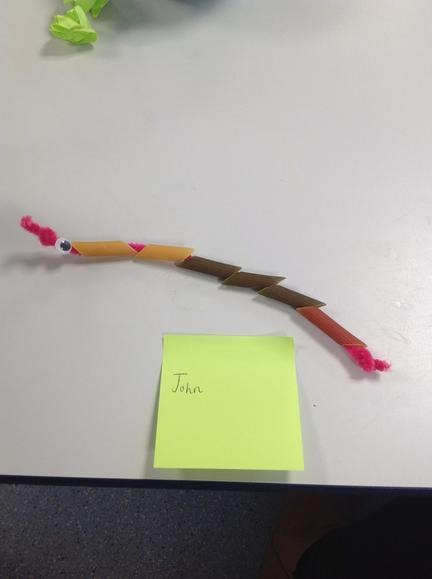
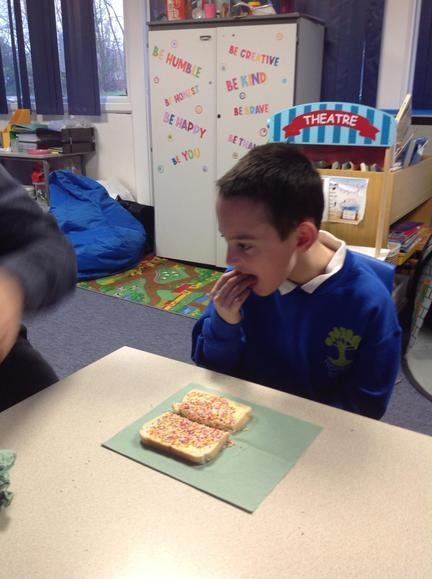
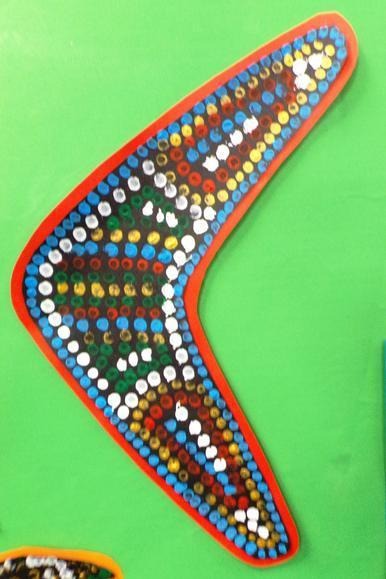
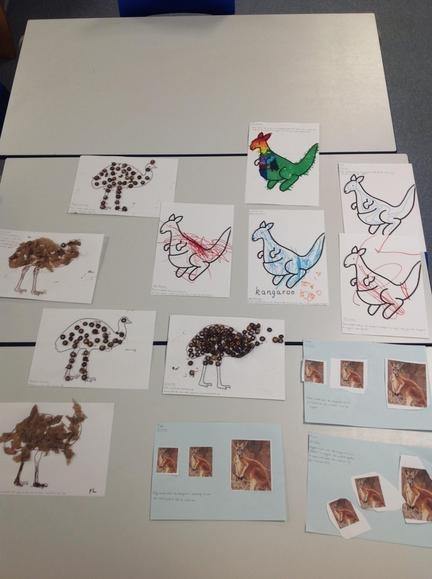
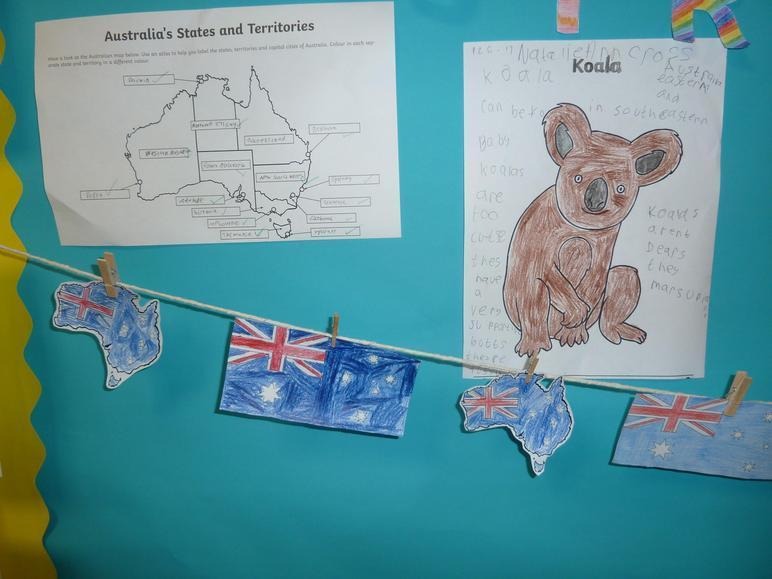
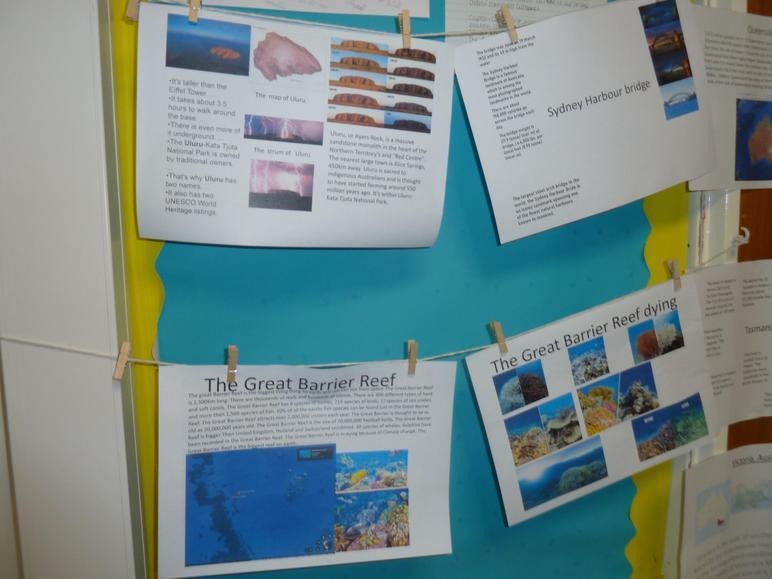
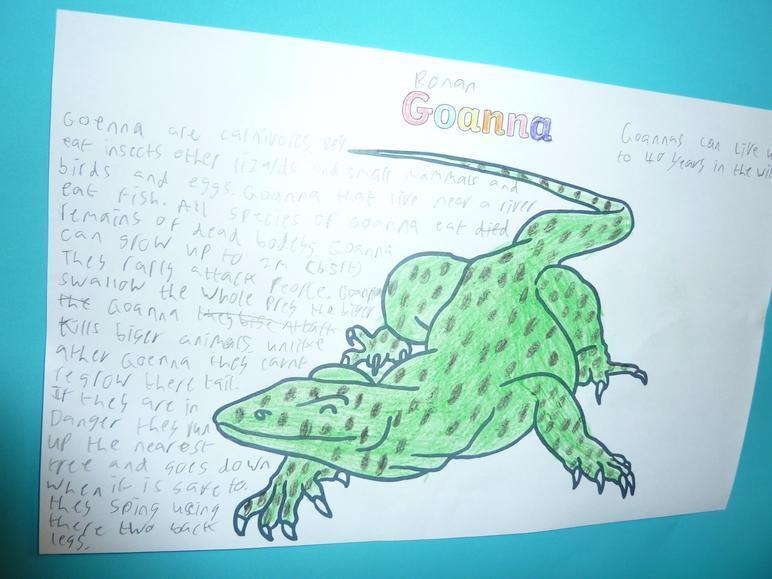
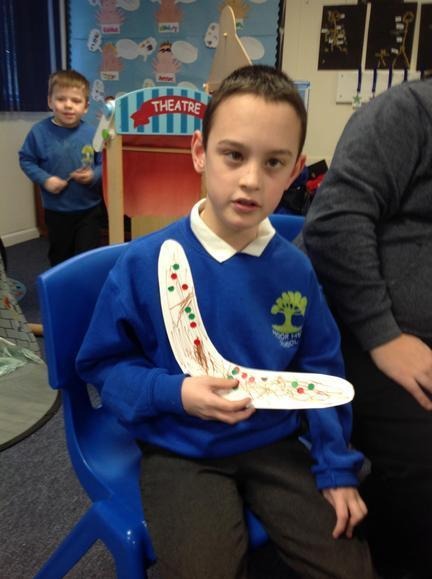
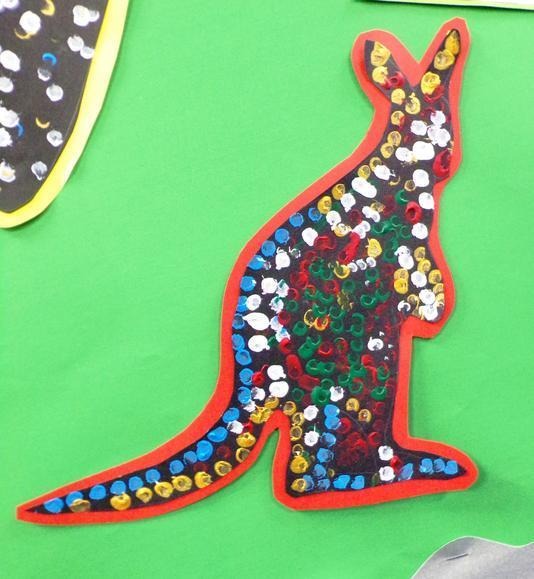
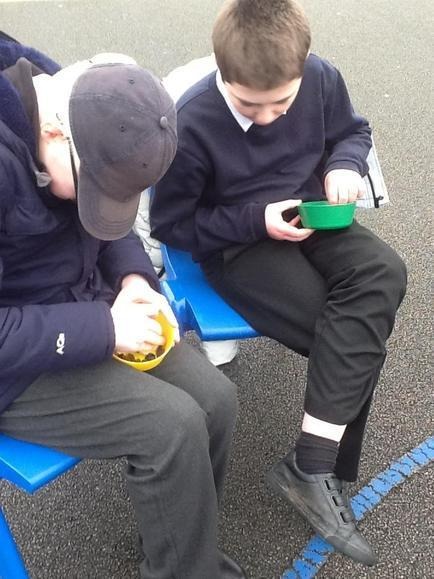
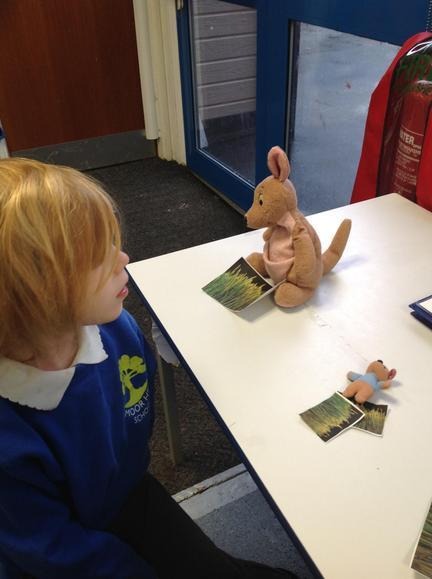
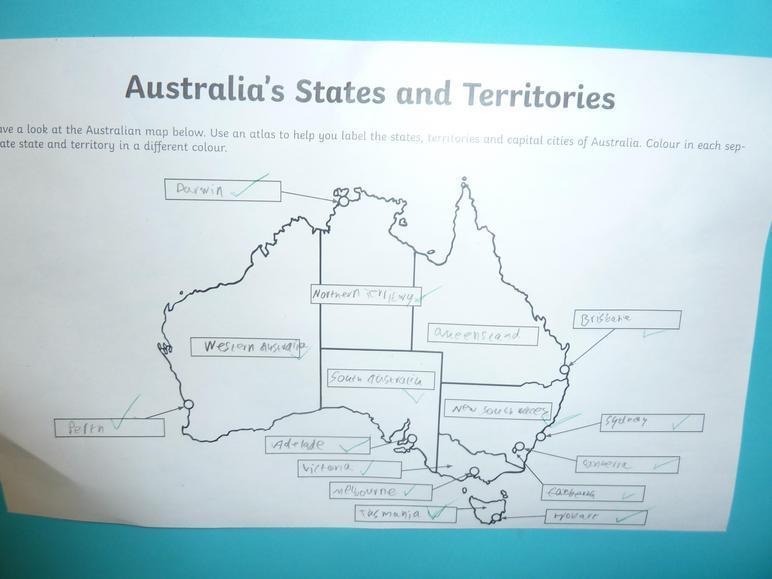
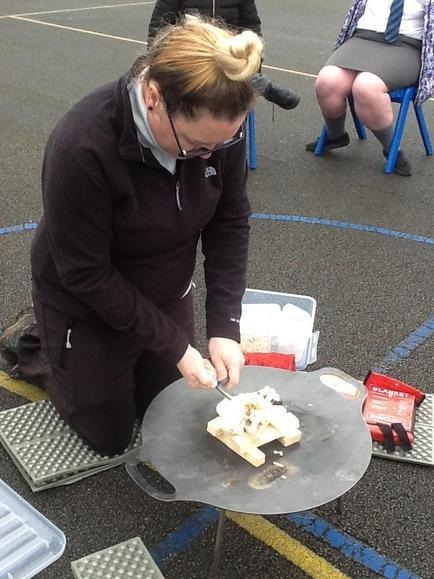
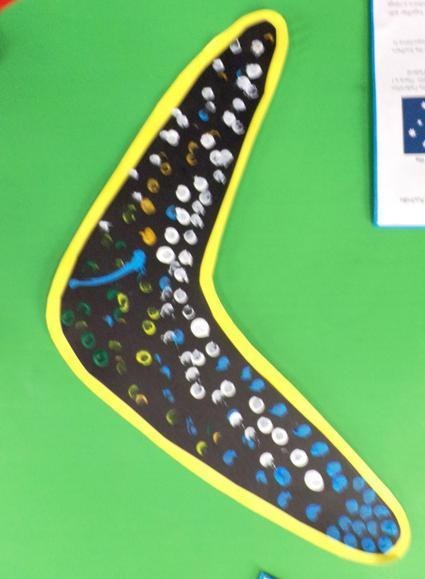
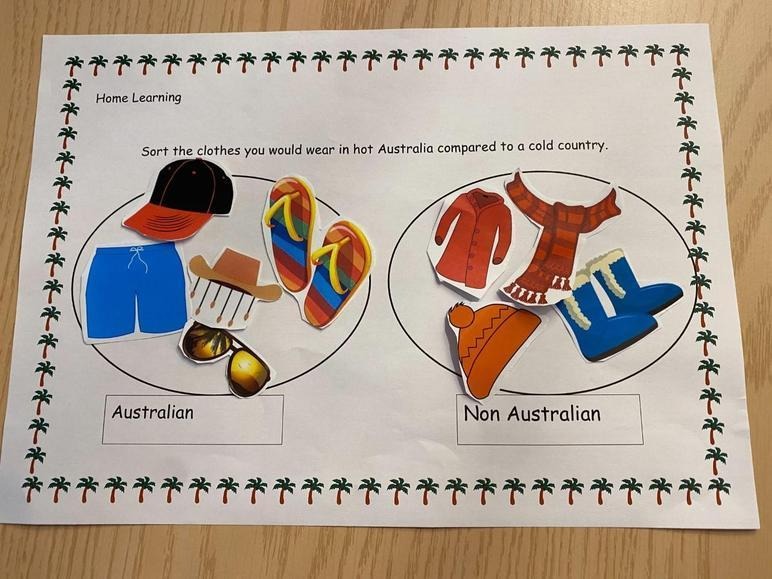
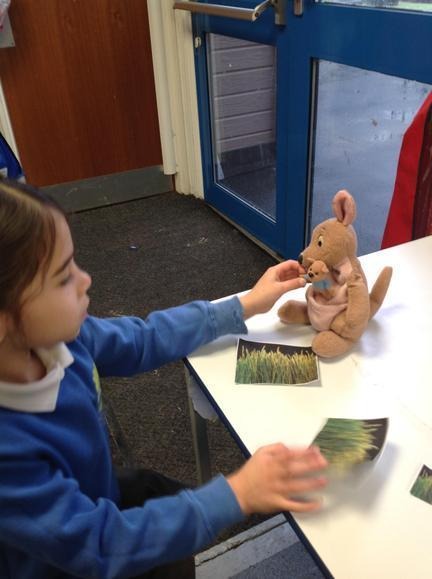
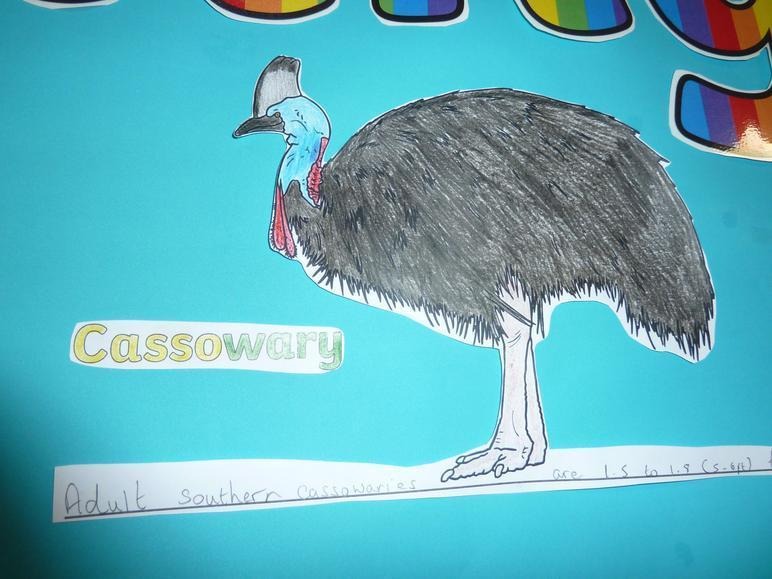
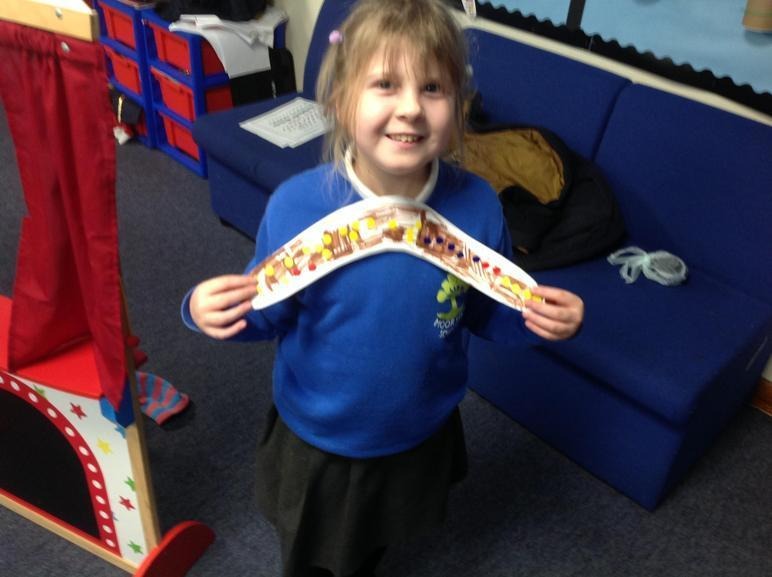
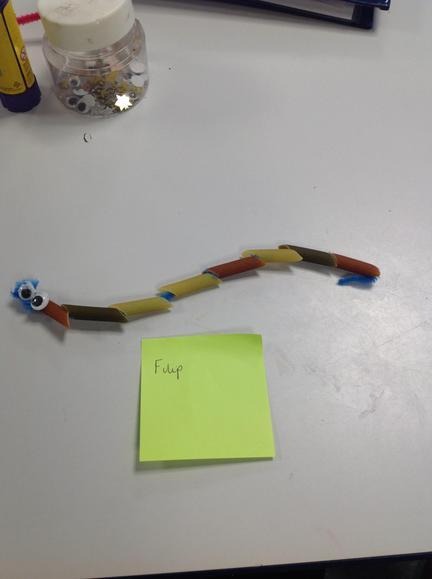
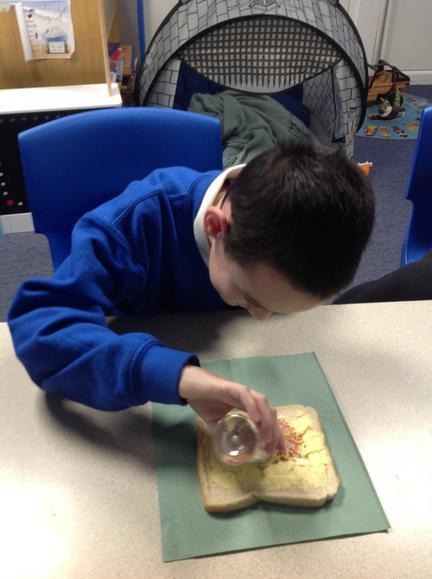
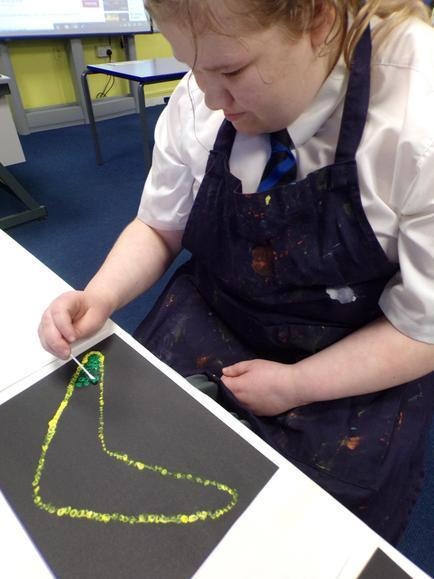
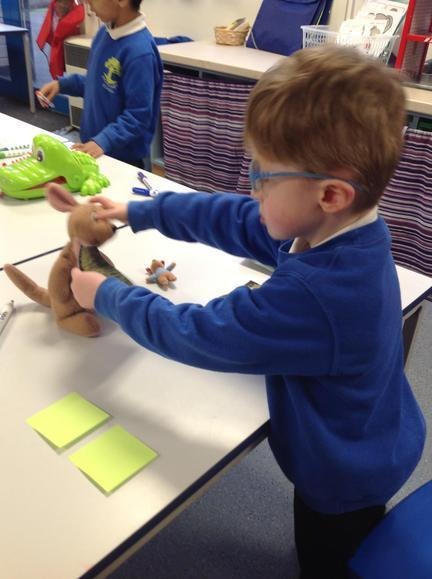
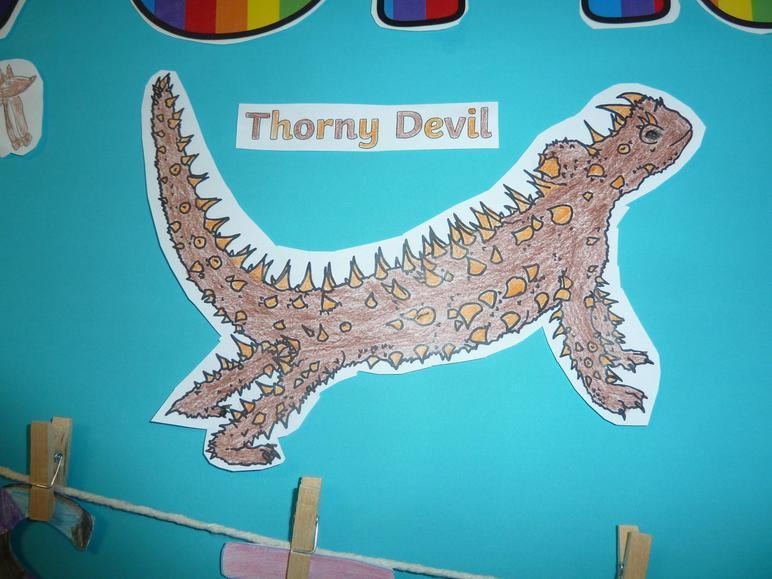
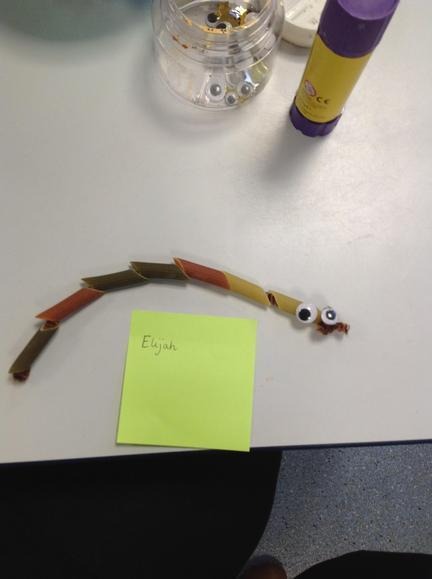
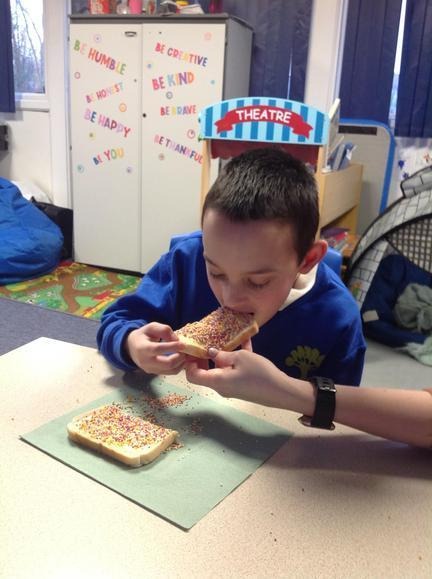
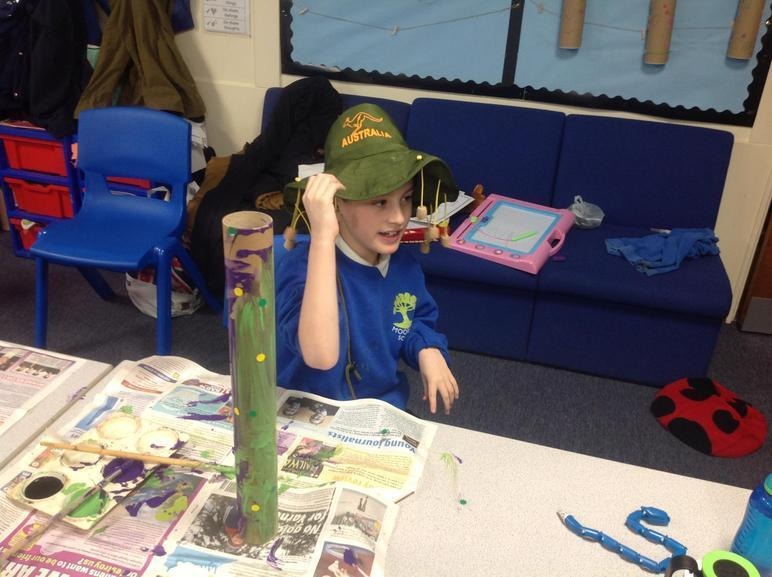
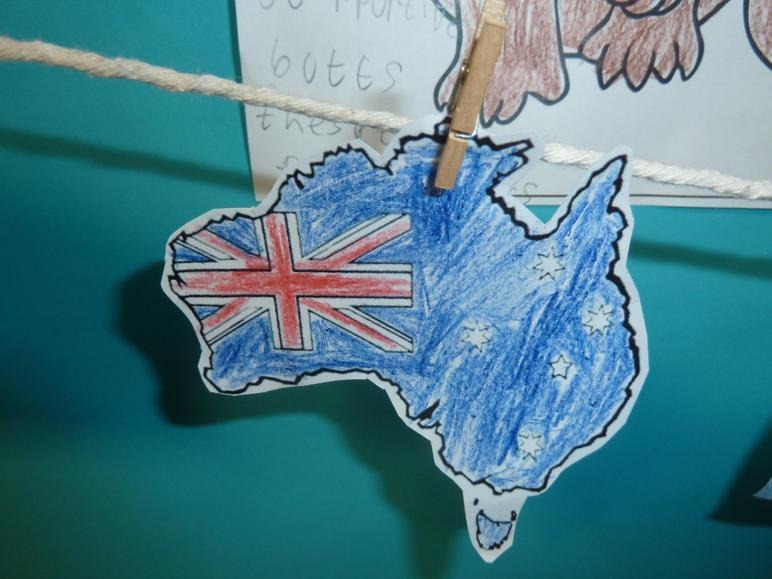
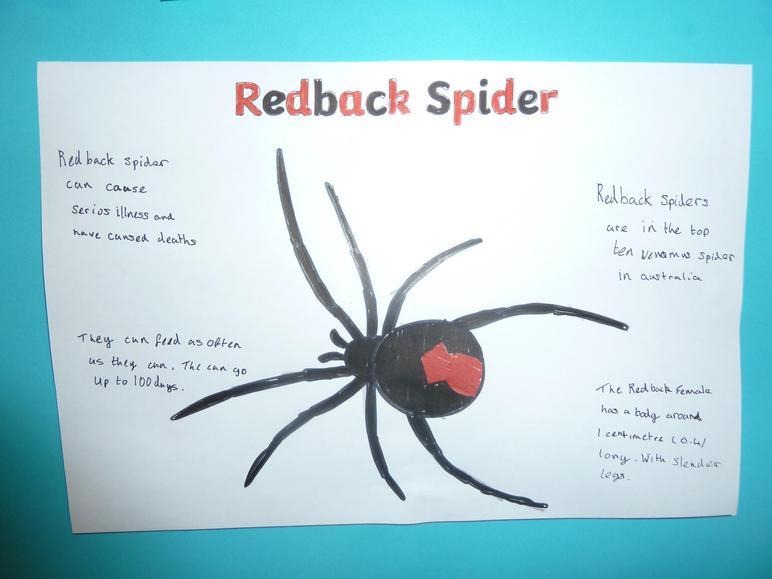
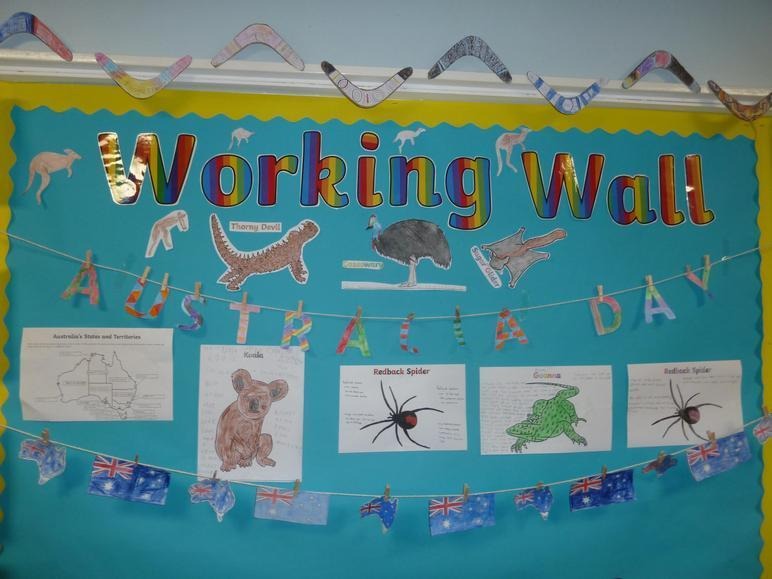
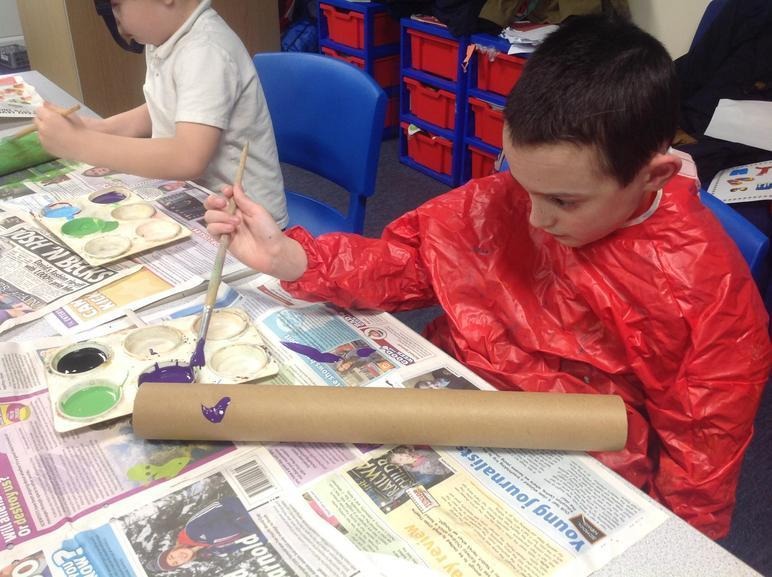
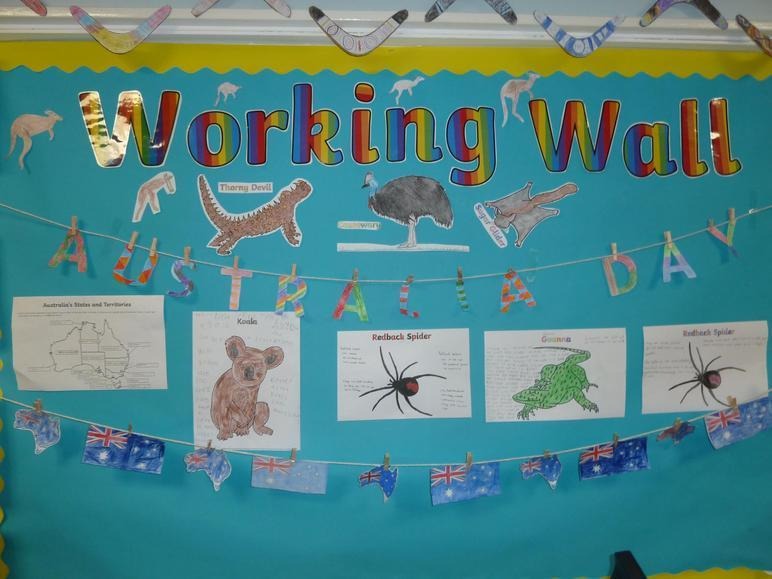
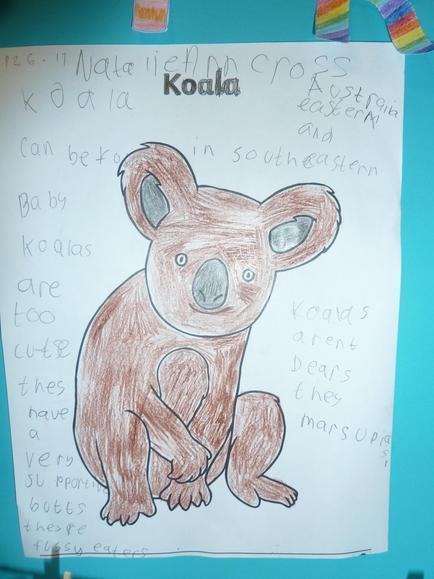
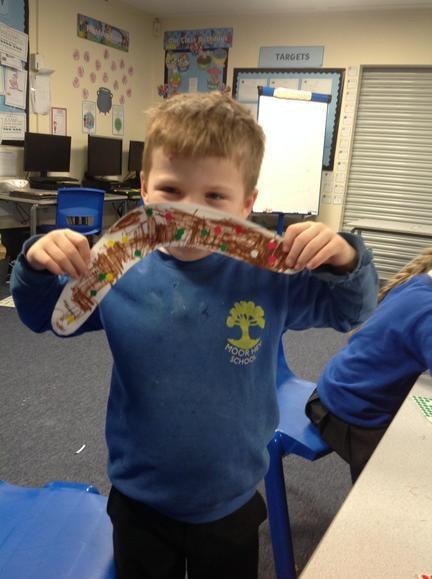
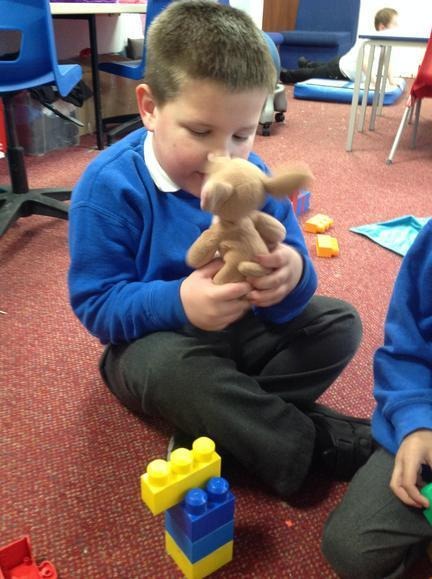
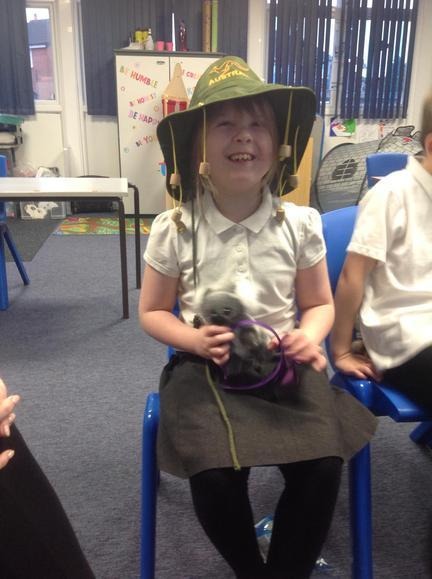
In January 2021 Moor Hey School had their own Australia Day , coinciding with the official day in Australia. This came about after we established a link with a primary school in New South Wales. We completed lots of differentiated activities to support our learning which included exploring and identifying the different Australian animals, Aboriginal art as well as preparing and tasting some Australian food including Fairy Bread and Damper Bread. KS3 even emailed the school in Australia before receiving a reply and asked lots of interesting questions such as:
- What is the weather like in Australia?
- Do you have to wear a school uniform?
- What time do you start / finish school?
- How do you celebrate Australia Day?